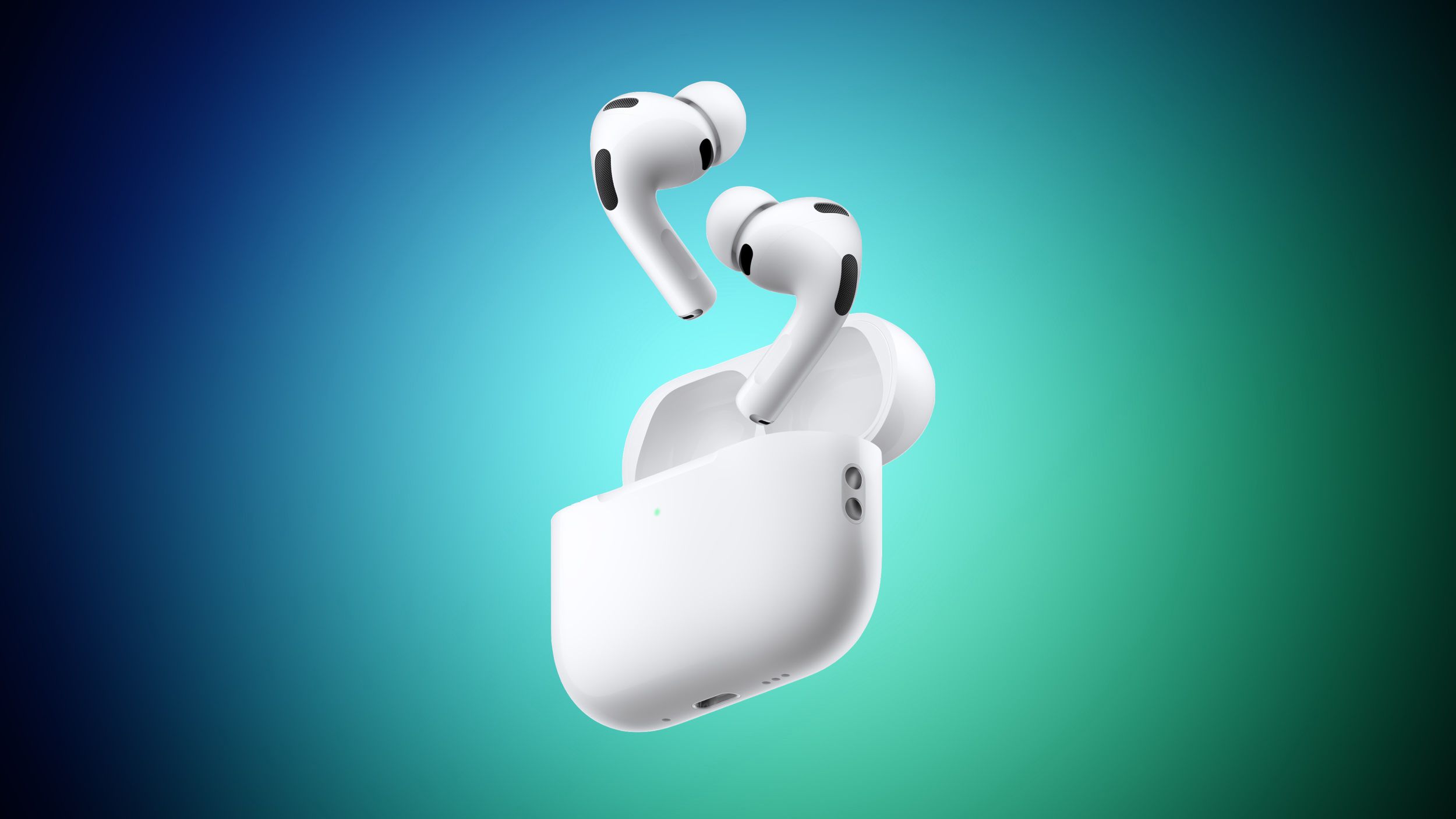
Are AirPods Worth the Hype? A Detailed Comparison with Traditional Headphones
The advent of AirPods has sparked a heated debate among audiophiles and casual users alike: Are they really worth the hype? When compared to traditional headphones, AirPods offer unparalleled convenience and cutting-edge technology. Their wireless design eliminates the hassle of tangled cords, and features like automatic pairing and touch controls enhance the overall user experience. But, do these perks justify their price tag? To answer that, we need to consider factors such as sound quality, battery life, and comfort, which often play a significant role in a consumer's final decision.
In contrast, traditional headphones tend to offer superior sound quality, especially in higher-end models. Many users argue that the audio performance of traditional headphones is unmatched, often providing richer bass and clearer treble. Additionally, they typically come with larger battery capacities, meaning you can enjoy longer listening sessions. While AirPods champion portability, traditional headphones stand firm in offering durability and comfort for extended wear. Ultimately, the choice comes down to individual preference: Do you value convenience or sound quality in your personal audio experience?
Counter-Strike is a popular multiplayer first-person shooter (FPS) game that has captivated players since its initial release. This game emphasizes teamwork, strategy, and precision, making it a favorite in the esports community. Players can choose to be part of the terrorist or counter-terrorist team, engaging in various objective-based game modes. For those looking for accessories to keep their gadgets secure, check out the Top 10 airpods anti loss straps that can help prevent loss during intense gaming sessions.
The Pros and Cons of AirPods vs. Traditional Headphones: Which is Right for You?
AirPods and traditional headphones each have their distinct advantages and disadvantages, making the choice between the two largely dependent on your personal preferences and lifestyle. One of the primary pros of AirPods is their portability. These wireless earbuds are lightweight and compact, making them ideal for on-the-go listening. Their integration with Apple devices provides seamless connectivity, allowing users to switch between devices effortlessly. Additionally, the noise-cancellation feature on newer AirPods models can enhance the listening experience by minimizing background noise, which is particularly beneficial in crowded environments.
However, traditional headphones have their own set of benefits. They typically offer superior sound quality, especially over long listening sessions, thanks to their larger drivers and enhanced audio fidelity. Furthermore, the comfort of traditional over-ear models can make them preferable for extended use, as they often come with cushioned ear pads. On the downside, traditional headphones can be bulkier and less convenient to carry around compared to their wireless counterparts. Ultimately, the choice between AirPods and traditional headphones comes down to weighing factors like portability, audio quality, and comfort to determine which is right for you.
Can AirPods Compete with Traditional Headphones in Sound Quality?
When it comes to sound quality, the debate between AirPods and traditional headphones often raises eyebrows. In recent years, AirPods have gained immense popularity due to their convenience and wireless capabilities. However, many audiophiles argue that traditional headphones still hold the edge, especially when it comes to sound fidelity. Traditional headphones, particularly those designed for studio use or high-end models, often feature larger drivers and can reproduce a richer and more detailed audio experience compared to their wireless counterparts. While AirPods offer impressive sound for casual listening, they may struggle to deliver the same depth and clarity that a quality pair of over-ear headphones provides.
Moreover, factors such as noise isolation and the ability to customize sound profiles further contribute to the comparison. Traditional headphones often utilize closed-back designs, which create a better seal around the ears, allowing for superior passive noise cancellation. On the other hand, AirPods, particularly the base models, tend to allow some ambient sound in, which can dilute the listening experience. Still, with advancements in technology and the introduction of features like Active Noise Cancellation in newer models, AirPods are gradually closing the gap in sound performance. Ultimately, whether AirPods can truly compete with traditional headphones in sound quality depends on the individual’s listening preferences and audio requirements.