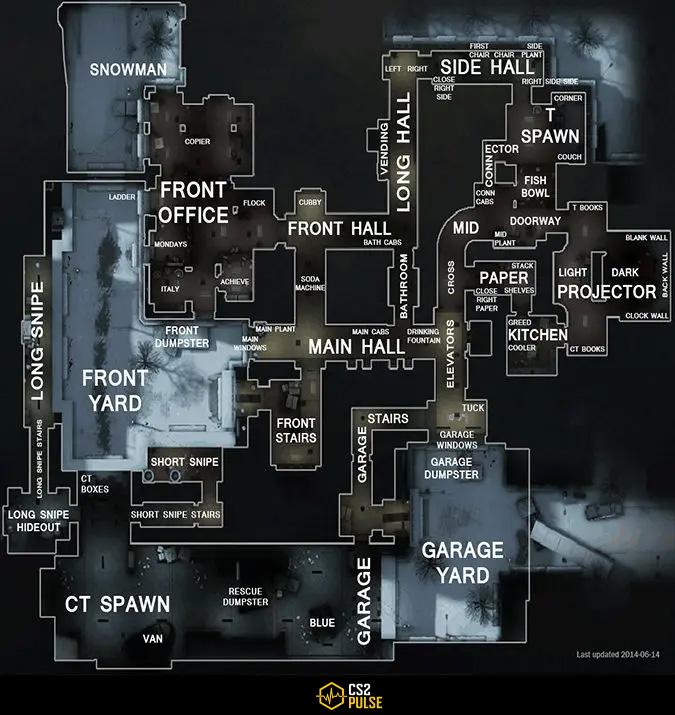
Understanding Callouts: A Comprehensive Guide to CS2 Communication
Callouts in CS2 communication refer to the methods by which players convey critical information to their teammates during gameplay. Effective use of callouts can significantly enhance team coordination and strategy. Understanding the importance of clear and precise communication can lead to improved performance in matches. Useful callouts may include enemy locations, status updates, and tactical suggestions. For example, knowing the difference between 'site A' and 'site B' can help teammates respond more quickly to enemy movements. Here are a few essential callouts to memorize:
- Mid - Center area of the map
- Long - Extended path typically leading toward bomb sites
- Smoke - Indication that an area is obscured by smoke grenades
In addition to knowing the common callouts, players should tailor their communication style to suit their team's needs. Adapting terminology to avoid confusion can greatly enhance clarity during gameplay. Effective callouts often involve using short, descriptive phrases that provide immediate context without overwhelming teammates with information. Moreover, practicing callouts in casual matches can help players become more comfortable with delivering them under pressure. Emphasizing teamwork and clear communication through callouts can result in a more cohesive gaming experience, leading to better results in competitive play.
Counter-Strike is a highly popular tactical first-person shooter that emphasizes teamwork and strategy. Players can customize their gaming experience with various cosmetics, including skins and gloves. For players looking to enhance their gameplay during the holiday season, check out these CS2 Christmas Loadouts that offer festive options to stand out in the game.
Top 10 Essential Callouts Every CS2 Player Should Know
As a CS2 player, mastering essential callouts is crucial for effective communication and teamwork. Here are the top 10 essential callouts every player should know to elevate their gameplay:
- Mid: This is the central area of the map, vital for map control.
- B Site: Refers to the bombsite located in the 'B' area, important for bomb planting/defusal.
- A Site: The counterpart to B Site, crucial for strategy planning.
- Long: Typically refers to a long corridor leading to A Site, key for flanking maneuvers.
- Short: A shorter route to A Site, used often for surprise pushes.
- Catwalk: A raised path that provides a strategic vantage point over B Site.
- Heaven: A higher ground area giving players an advantage during firefights.
- Window: Often refers to openings that provide sight lines for snipers or strategic plays.
- CT Spawn: The area where Counter-Terrorists spawn; knowing it can aid in anticipating enemy movements.
- Garage: A common hiding spot that can be used for ambushes.
How to Create Effective Callouts for Your CS2 Team
Creating effective callouts for your CS2 team is essential for maintaining communication and ensuring that all members are on the same page. Start by establishing clear objectives. Gather your team and outline the specific goals you want to achieve with your callouts. Utilize a consistent format for your messages to reduce confusion; for example, use keywords to highlight important actions or events, such as 'enemy spotted' or 'requesting backup'. This will help streamline communication and allow team members to react quickly and efficiently.
Next, consider the timing and context of your callouts. It's important that callouts are made promptly and relevantly within the situation. Encourage your team to practice making concise and precise callouts during training sessions. You can utilize an ordered list approach, where each member takes turns calling out specific actions or information during practice rounds. This fosters not only better communication skills but also builds trust among team members, leading to a more cohesive unit during competitive play.