10 Surprising Facts About Dust Bunnies You Never Knew
Dust bunnies are more than just clumps of dirt and debris that accumulate in the corners of our homes; they hold some intriguing facts you might not know. For instance, did you know that a typical dust bunny can contain a mixture of pet hair, skin cells, and even tiny insects? This mixture forms when dust and dirt particles clump together, creating a cozy hideaway for microscopic creatures. Additionally, it’s believed that dust bunnies can contribute to indoor air pollution, as they can harbor allergens and other pollutants that affect air quality.
Another surprising fact is that dust bunnies can actually provide insight into the health of your home. By observing the contents of a dust bunny, you can determine the types of materials and allergens present in your environment. Interestingly, homes with higher levels of *synthetic materials* tend to produce dust bunnies with more *plastic fibers*, while older homes might reveal more *natural fibers* from cotton or wool. This unique aspect of dust bunnies can help homeowners make informed decisions about improving their indoor spaces.
Counter-Strike is a popular multiplayer first-person shooter game that pits teams of terrorists against counter-terrorists in a series of mission-based gameplay. Players can immerse themselves in various maps and modes, honing their skills and strategies. If you're looking to keep your gaming setup clean, check out the Top 10 macbook cleaning kits to maintain your equipment.
The Ultimate Guide to Defeating Dust Bunnies in Your Home
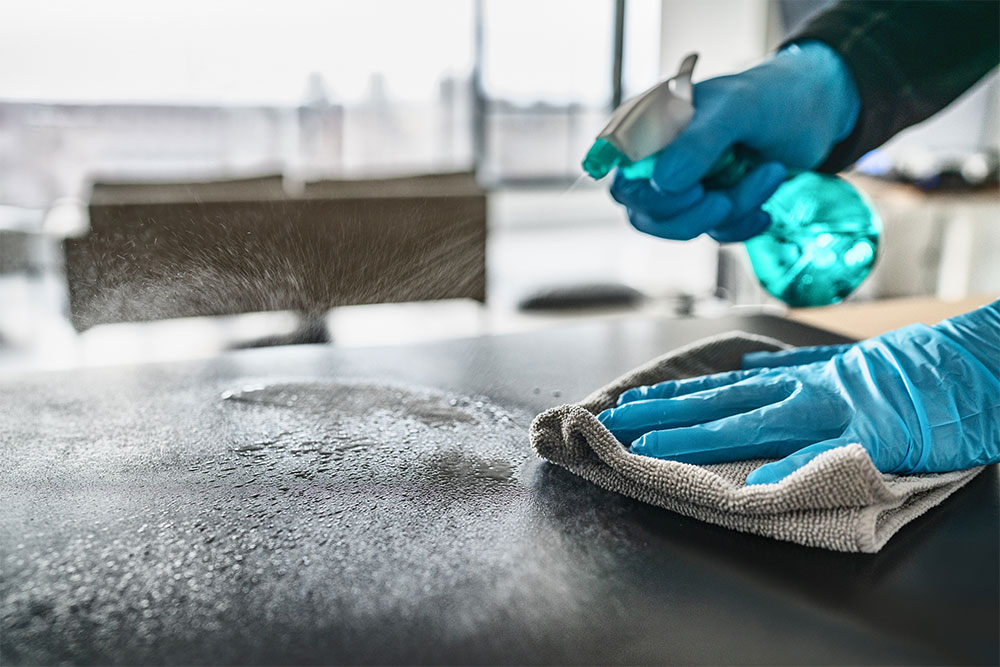
Dust bunnies are more than just unsightly clumps of dirt and debris; they can contribute to allergies and affect the overall cleanliness of your home. To effectively defeat dust bunnies, start with a regular cleaning routine. Vacuuming carpets and rugs at least once a week is essential, but consider investing in a vacuum with a HEPA filter to trap even the smallest particles. Additionally, don't forget to dust surfaces, including shelves, baseboards, and furniture. A microfiber cloth works wonders for capturing dust without scattering it into the air.
In addition to regular cleaning, implementing some preventive measures can greatly reduce the formation of dust bunnies. Here are a few tips to keep your home dust-free:
- Declutter regularly to minimize dust-collecting surfaces.
- Use doormats and remove shoes at the entrance to avoid tracking dirt inside.
- Keep windows closed during windy days to reduce the influx of dust from outside.
- Wash bedding and curtains frequently, as these fabrics easily trap dust.
By following these strategies, you can achieve a cleaner home and keep those pesky dust bunnies at bay.
Are Dust Bunnies Harmful? Uncovering the Myths and Truths
Dust bunnies, those fluffy clumps of dust and debris that accumulate in corners and under furniture, often spark debate about their safety and cleanliness in our homes. Many people believe that they are harmless, while others argue that they can pose health risks. To uncover the truth, it's essential to understand what dust bunnies are made of. They are primarily composed of dust, hair, and other small particles, which can indeed harbor allergens like pet dander and pollen. However, their presence alone does not automatically indicate a hazardous environment. Regular cleaning can mitigate potential risks, making it essential to maintain a dust-free home.
Another prevalent myth is that dust bunnies are a sign of poor hygiene or laziness. In reality, they can form in even the cleanest of homes due to the natural accumulation of everyday particles. Reducing dust bunnies can be as simple as implementing a regular cleaning schedule, using high-efficiency particulate air (HEPA) filters, and minimizing clutter where dust can settle. By understanding the myths versus the realities of dust bunnies, homeowners can better assess their impact on indoor air quality and overall health, empowering them to take actionable steps for a cleaner living space.