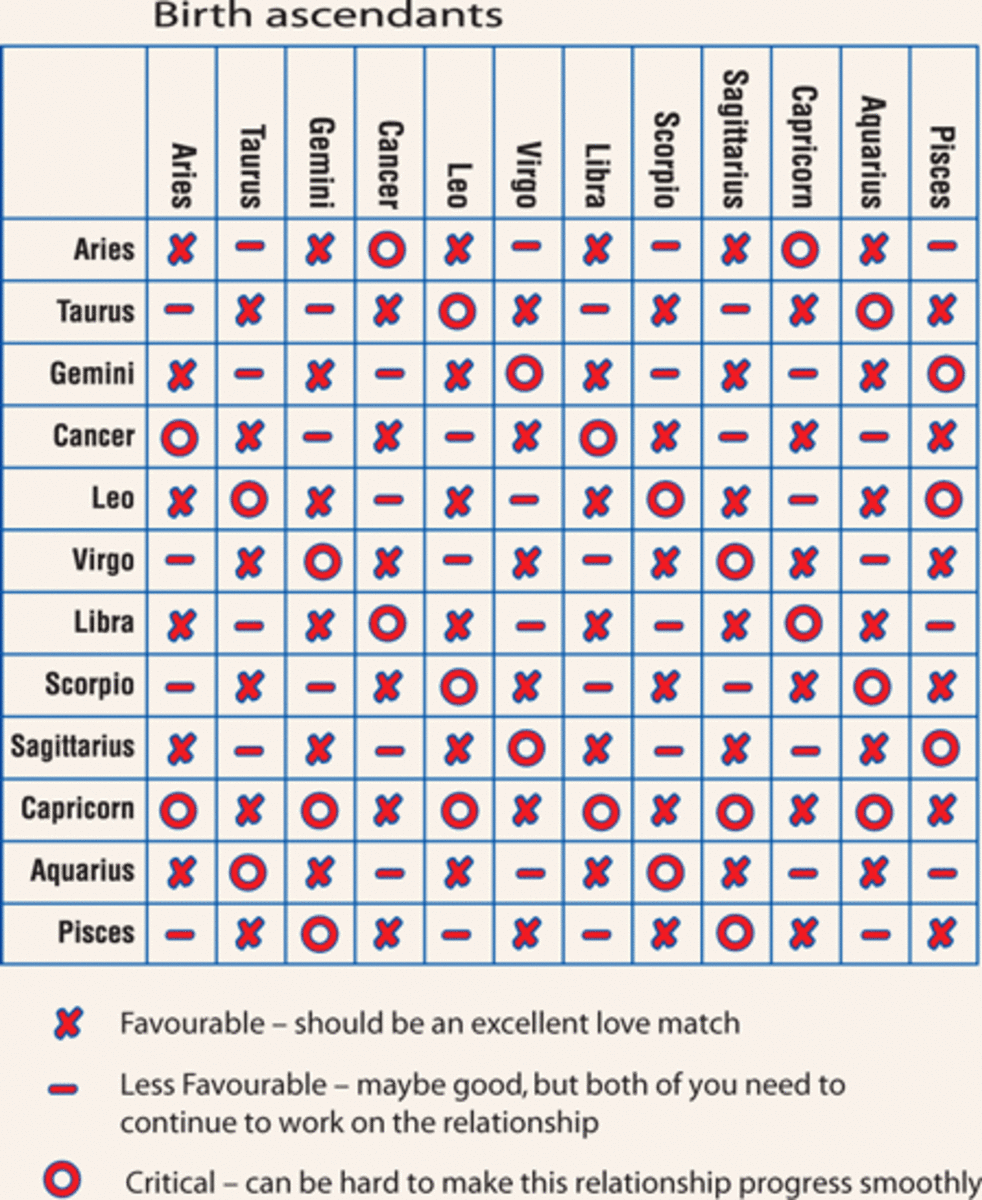
Exploring Compatibility: The Science Behind Emotional Connections
Exploring the intricacies of emotional connections begins with understanding the science of compatibility. Researchers have extensively studied how our personalities interact and influence relationships. Factors such as attachment styles, communication patterns, and shared values play a pivotal role in determining how well we bond with others. For example, a study from the Journal of Personality and Social Psychology highlighted that couples with similar attachment styles demonstrated higher levels of relationship satisfaction. This suggests that exploring one’s own attachment style can lead to deeper emotional connections with partners.
Moreover, emotional compatibility can often be dissected through the lens of psychological frameworks. The Big Five personality traits—openness, conscientiousness, extraversion, agreeableness, and neuroticism—are critical in understanding how two individuals might connect. As couples navigate their emotional landscapes, discrepancies in these traits can either foster deeper understanding or lead to conflict. By fostering open dialogue and practicing empathy, partners can enhance their emotional bond, making the journey of exploring compatibility not just a scientific endeavor, but a deeply rewarding personal experience.
Counter-Strike is a highly popular first-person shooter game that has captivated players since its initial release in 1999. It features team-based gameplay where players can take on the role of terrorists or counter-terrorists in various missions. For those looking to enhance their gaming experience, you might also want to check out the Top 10 apple tv remote covers. The strategic elements, along with a vibrant esports scene, have made Counter-Strike a staple in competitive gaming.
How to Navigate Differences in Relationships: Tips for Lasting Harmony
Relationships often come with their own set of challenges, particularly when it comes to navigating differences between partners. Understanding that no two people are alike is essential to maintaining lasting harmony. Here are some tips to help you manage these differences:
- Listen Actively: Take the time to truly listen to your partner's perspective, ensuring they feel heard and valued.
- Embrace Open Communication: Create a safe space for discussions about your differences, addressing issues calmly and openly.
- Find Common Ground: Focus on shared interests and values as a way to bridge gaps and enhance your connection.
One of the most important aspects of navigating differences is to approach conflicts with empathy. When disagreements arise, remind yourself that your partner's views are shaped by their unique experiences. Consider the following strategies to promote understanding and harmony in your relationship:
Practice Patience: Allow your partner to express their feelings without judgment, and take your time to process the discussion before responding.
Set Boundaries: Establishing healthy boundaries can help prevent misunderstandings and reduce tension. Make sure both partners are clear on their needs and expectations.
What Happens When Two Different Personalities Collide? Understanding Relationship Dynamics
When two different personalities collide, the dynamics of their relationship can lead to both challenges and opportunities for growth. Each individual brings their unique traits, values, and communication styles to the table, which can result in misunderstandings and conflicts. For instance, a spontaneous person might clash with a more structured counterpart, causing tension as they navigate their differing approaches to life. However, understanding these differences is key to fostering a productive dialogue and finding common ground.
In such relationships, it's essential to recognize that differences can enhance the partnership rather than detract from it. By embracing each other's contrasting characteristics, couples can develop a balanced dynamic that leverages the strengths of both personalities. For example, one partner’s analytical nature can complement the other’s creative instincts, leading to innovative solutions to problems. Ultimately, successful navigation of these personality collisions promotes deeper connection and mutual respect.