5 Common Data Transfer Mistakes and How to Avoid Them
Data transfer is a critical process for businesses, but numerous common mistakes can lead to complications and data loss. One prevalent error is inadequate planning. Without a solid plan, organizations may overlook essential steps, leading to disorganization and errors during transfer. Another mistake involves the use of unsuitable transfer methods, which can result in slow speeds or corruption of files. For example, relying solely on email for large data is often inefficient compared to using dedicated file transfer protocols.
Additionally, failing to validate data after transfer poses a significant risk. Not checking whether the data has been accurately received can cause issues down the line, such as incorrect reporting or miscommunication. To avoid these pitfalls, implement an ordered checklist that includes planning, reviewing transfer methods, and validating data post-transfer. Following these steps not only minimizes risks but ensures a smoother transition of information, enhancing the overall efficiency of your data management processes.
If you're looking to enhance your tech setup, exploring the Top 10 USB Accessories can provide you with some great options. From versatile hubs to high-speed flash drives, these accessories can boost productivity and convenience. Whether for personal use or professional environments, having the right USB gadgets can transform your experience.
The Ultimate Guide to Securely Transferring Files
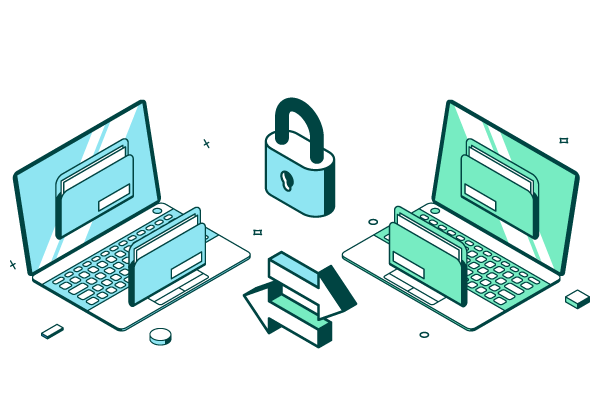
In today's digital age, securely transferring files is crucial to protect sensitive information from unauthorized access. Whether you're sharing documents with colleagues or sending personal files to friends, secure file transfer methods are essential. One of the most reliable ways to ensure safety during file transfers is by using encrypted services. These services use advanced encryption technologies, such as SSL/TLS protocols, to safeguard your data in transit. Additionally, consider using password-protected zip files and verify the identity of the recipient before sharing any confidential information.
Moreover, it's imperative to choose the right tools for secure file transfer. Here are a few options to consider:
- Secure File Transfer Protocol (SFTP): A secure version of FTP that uses SSH to encrypt data.
- Virtual Private Network (VPN): Creating a secure tunnel for data transfer over the internet.
- Cloud Storage Services: Platforms like Google Drive, Dropbox, and OneDrive offer encryption features, but ensure you understand their privacy policies.
Implementing these practices not only protects your data but also enhances your credibility and trustworthiness in a world where security breaches are increasingly common.
Are Your Files Playing Hide and Seek? Tips to Ensure a Smooth Data Transfer
Have you ever experienced the frustration of files seemingly disappearing during a data transfer? Whether you're moving files to a new device, backing them up to the cloud, or sharing them with colleagues, it's crucial to ensure that everything goes smoothly. To avoid your files playing hide and seek, start by preparing your data. Organize your files into clearly labeled folders and eliminate any duplicates to streamline the transfer process. Additionally, always verify the integrity of your files before initiating the transfer; using checksums or file comparison tools can help you confirm that everything is accounted for.
Moreover, consider the method of transfer you are using. If you're transferring a large volume of data, utilizing a traditional external hard drive might be safer than relying solely on online services, which can sometimes lead to data loss due to connectivity issues. Backup strategies are essential. Always have a secondary backup available, whether it's on another hard drive or in a cloud service, thus ensuring that your files won’t vanish into thin air. This way, even if a transfer fails, you can quickly restore your documents and avoid unnecessary stress.