5 Essential Ergonomic Tips to Enhance Your Workspace Comfort
Creating a comfortable and productive workspace is essential for anyone who spends long hours working at a desk. By implementing ergonomic tips, you can significantly reduce discomfort and the risk of injury. One of the first adjustments you should make is to choose the right chair. Look for a chair that offers lumbar support and is adjustable to fit your height. An ideal chair should allow your feet to rest flat on the floor while keeping your knees at a right angle.
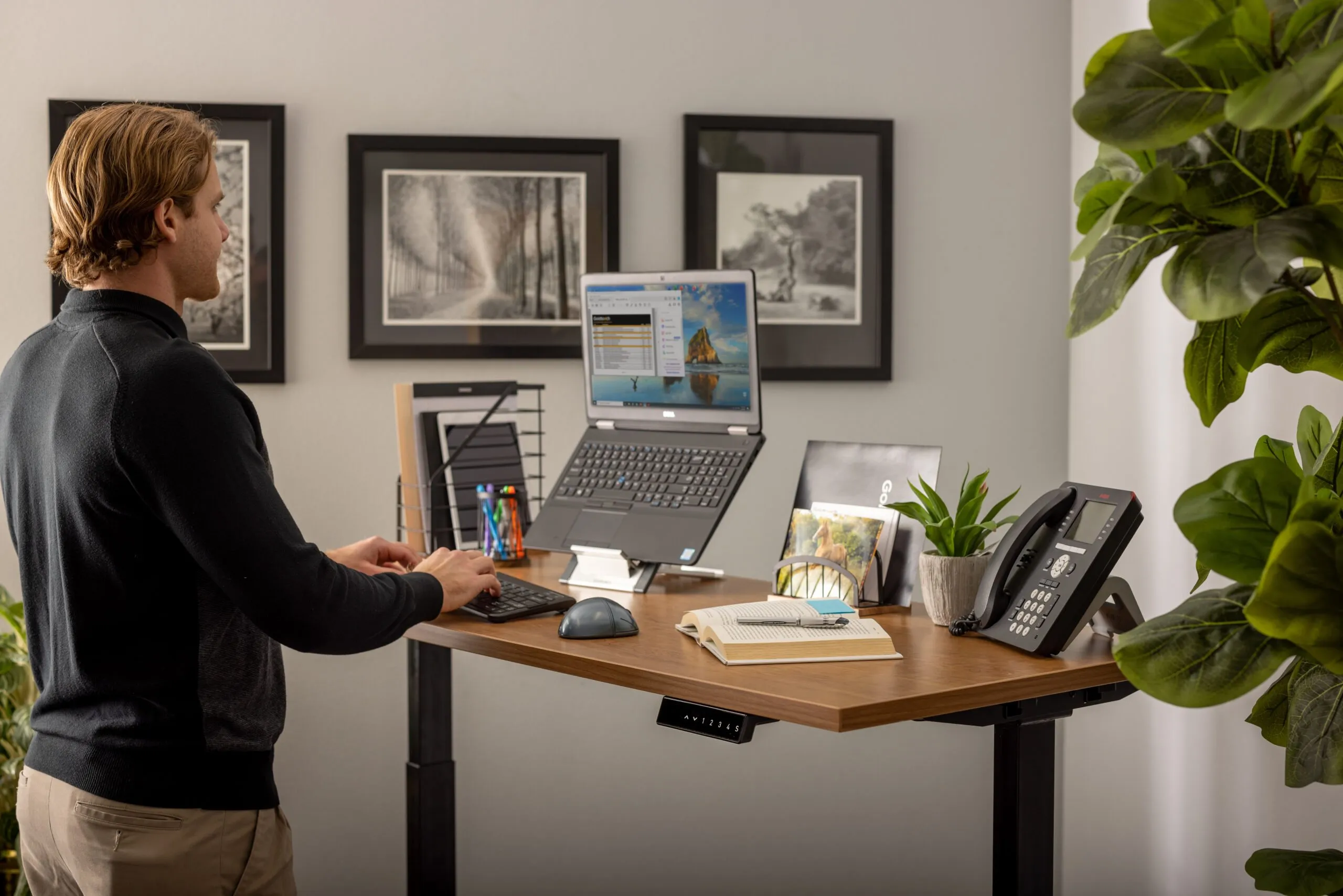
Next, pay attention to your desk height. Make sure your desk is at the proper height to promote good posture. Your elbows should be at about 90 degrees when your arms are resting on your desk, which can prevent strain on your shoulders and wrists. Additionally, consider the positioning of your computer monitor: it should be at eye level to avoid neck strain. Lastly, take regular breaks to stretch and move around; this simple practice can dramatically enhance your workspace comfort and overall productivity.
If you're looking to enhance your tablet experience, investing in a quality stand can make a significant difference. Check out the Top 10 Tablet Holder Arms to find the perfect option that suits your needs, whether for work, gaming, or watching videos. These tablet holder arms offer versatility, adjustability, and convenience, allowing you to use your tablet in comfort and style.
How to Choose the Right Office Chair for Maximum Support
When it comes to selecting the right office chair for maximum support, comfort, and productivity are your top priorities. Begin by looking for a chair that features an ergonomic design, which means it should support the natural curve of your spine. Key features to consider include adjustable seat height, lumbar support, and armrest adjustments. Ergonomic chairs can help alleviate discomfort and prevent back pain, which is essential for those who spend long hours at a desk. Additionally, consider material and cushion quality; breathable fabrics and adequate padding contribute significantly to comfort during extended use.
Once you have identified your ergonomic needs, test the chair before making a purchase. Sit in the chair and assess whether it allows you to maintain a healthy posture with your feet flat on the ground, and your knees at a 90-degree angle. Look for adjustable options that enable you to customize the chair according to your body type and workspace. Moreover, it's worth considering the mobility of the chair; wheels can provide ease of movement, but make sure they are suitable for your floor type. A well-chosen chair not only enhances comfort but also boosts productivity, making it a crucial investment in your workspace.
Are You Sitting Right? The Importance of Proper Posture in Your Workspace
In today’s digital age, many of us spend hours sitting at our desks, which makes proper posture more crucial than ever. Research indicates that maintaining an ergonomic workspace can prevent discomfort and long-term health issues, such as back pain and repetitive strain injuries. To ensure you are sitting right, you should pay attention to your chair height, desk alignment, and screen position. Ideally, your feet should be flat on the floor, your back should be supported, and your computer screen should be at eye level. By making these adjustments, you can improve your posture and boost your productivity.
It's also essential to take regular breaks to relieve tension and re-energize your body. Experts recommend the 20-20-20 rule: for every 20 minutes spent looking at your screen, take a 20-second break to look at something 20 feet away. Not only does this help reduce eye strain, but it also encourages you to change your position and reset your posture. Remember, investing time in your workspace's ergonomic setup is a step toward a healthier, more productive lifestyle, ensuring that you are always sitting right.