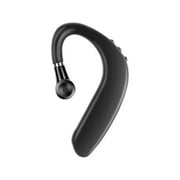
Embracing the Hands-Free Lifestyle: Tips for a Seamless Transition
Embracing the hands-free lifestyle can transform your daily routines, allowing you to multitask and enhance your productivity. The first step towards this transition is to invest in the right technology. Consider using voice-activated assistants like Amazon Alexa or Google Assistant. These devices can help you manage tasks such as setting reminders or controlling smart home devices without the need for physical contact. Additionally, try incorporating hands-free gadgets, like wireless earbuds or Bluetooth headsets, into your daily life to ensure you can stay connected and engaged while keeping your hands free for other activities.
To make your transition to a hands-free lifestyle as seamless as possible, consider these practical tips:
- Start small by practicing voice commands for common activities, like sending text messages or making calls.
- Create routines that integrate hands-free technology, such as listening to audiobooks or podcasts while cooking or exercising.
- Limit distractions by designating times to disconnect from your screen, allowing yourself to fully engage in hands-free tasks.
If you're looking for a reliable way to keep your iPhone secure while driving, consider exploring the Top 10 iPhone MagSafe car mount strong magnet options available in the market. These mounts are designed to provide a stable and strong hold, ensuring your device is always within reach. From sleek designs to powerful magnets, there's a perfect option for every driver's needs.
The Benefits of Going Hands-Free: How to Enhance Your Daily Routine
In today's fast-paced world, adopting a hands-free approach can significantly enhance your daily routine. By reducing the need for constant physical interaction with devices, you can free up your hands for more productive tasks. Whether you're cooking, exercising, or multitasking at work, hands-free technology allows you to stay connected while keeping your focus on what truly matters. For example, using voice-activated assistants can help you manage your schedule, set reminders, and even control smart home devices without interrupting your workflow.
Moreover, incorporating hands-free solutions can lead to improved safety and efficiency throughout your day. By utilizing features such as hands-free calling while driving or using earbuds during workouts, you not only increase your productivity but also reduce the risk of accidents. Additionally, research shows that maintaining a hands-free approach can lower stress levels by allowing you to prioritize tasks more effectively. Overall, embracing hands-free technology is a smart way to streamline your daily activities and create a more balanced lifestyle.
Is a Hands-Free Lifestyle Right for You? Exploring the Pros and Cons
Adopting a hands-free lifestyle can significantly transform how you navigate daily tasks, but it’s essential to weigh the pros and cons. On the positive side, hands-free technology allows for multitasking, fostering greater productivity. For instance, using voice assistants can streamline your day-to-day activities, from setting reminders to controlling smart home devices. Additionally, these technologies can improve accessibility for individuals with disabilities, making everyday interactions more manageable. However, it’s crucial to consider potential downsides.
One significant concern is the dependence on technology; a hands-free lifestyle can lead to distractions, impacting focus and mental clarity. Moreover, the initial investment required to implement such technologies might not be feasible for everyone. Here are some factors to consider:
- Research your needs: Determine what tasks you want to streamline with hands-free technology.
- Evaluate your budget: Consider the cost of devices and applications that may enhance your hands-free experience.
- Your environment matters: Assess whether your living or work space is conducive to implementing these technologies.
Ultimately, deciding whether a hands-free lifestyle is right for you can involve weighing personal preferences and lifestyle requirements.