The Evolution of Game Controllers: Key Features Transforming Gameplay
The journey of game controllers over the years has been nothing short of revolutionary. Starting from simple joystick designs and keypad controls, the initial game controllers were limited in functionality and aimed primarily at providing basic control over gameplay. However, as technology advanced, we saw the introduction of features such as vibration feedback, which enhanced the immersive experience by allowing players to feel the game in real-time. Today’s game controllers boast wireless connectivity, motion sensors, and even touch-sensitive surfaces, which enable a level of interaction previously thought impossible.
Another significant evolution in game controllers has been the shift toward ergonomic designs, ensuring comfort during long gaming sessions. Modern controllers often feature customizable button layouts and programmable macros, allowing players to tailor their setup to their gaming style. Additionally, cross-platform compatibility has emerged as a crucial feature, making it easier for gamers to use the same controller across multiple devices. Overall, these key features have not only transformed gameplay but also pushed the boundaries of what players expect from their gaming accessories.
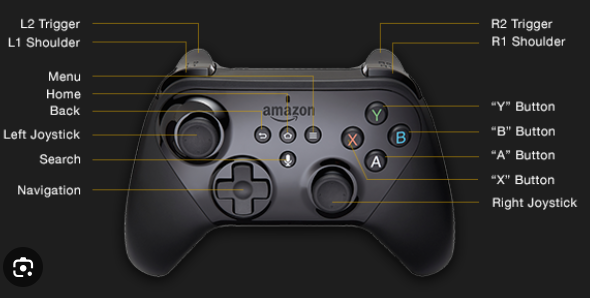
Counter-Strike is a highly popular first-person shooter game that pits two teams against each other: terrorists and counter-terrorists. Players compete in various game modes, focusing on objectives such as bomb defusal or hostage rescue. For those looking to enhance their gaming experience on different platforms, it's essential to consider the right peripherals. Check out the Top 10 apple tv gaming controllers to find the best controllers that can elevate your gameplay.
How Innovative Controller Designs Enhance Immersion in Modern Gaming
In the ever-evolving world of gaming, innovative controller designs play a crucial role in enhancing player immersion. Modern controllers are equipped with advanced haptic feedback systems that create tactile sensations, simulating every action from the impact of a character's jump to the rumble of an explosion. These features allow players to physically feel what is happening in the game, bridging the gap between virtual experiences and real-world interactions. Additionally, ergonomic considerations in design ensure that controllers fit comfortably in players' hands, allowing for longer gaming sessions without discomfort.
As technology advances, we also see integrations of adaptive triggers and motion sensors within controllers, further enriching gameplay dynamics. For instance, when a player pulls back an arrow in a shooting game, the trigger resistance can intensify, heightening the sensation of draw weight. Furthermore, gaming studios are increasingly leveraging these controller capabilities, designing titles that require precise timing and feedback for successful gameplay. This synergy between innovative controller designs and game mechanics not only boosts immersion but also enhances competitive play, making the gaming experience more engaging than ever.
Are Advanced Features in Game Controllers the Future of Interactive Entertainment?
The evolution of game controllers has been remarkable, with advanced features such as haptic feedback, adaptive triggers, and customizable controls reshaping the way players engage with interactive entertainment. These features not only enhance the realism of gameplay but also create a deeper emotional connection between players and their virtual experiences. For instance, haptic feedback allows players to feel every explosion and movement, providing a level of immersion that traditional controllers simply cannot match. As developers continue to innovate, it's clear that incorporating these advanced features into game controllers is paving the way for a future where interactive entertainment becomes even more captivating.
Moreover, the rise of cross-platform gaming and virtual reality has further highlighted the importance of sophisticated controller designs. Today's gamers demand more from their devices, seeking tailored experiences that offer precision and responsiveness. With options like customizable profiles and ergonomic designs becoming essential, the gaming industry is moving towards a more personalized approach. As we look to the future, it's evident that investing in advanced features for game controllers is not just a trend, but a crucial aspect of enhancing player engagement and ensuring that interactive entertainment continues to evolve.