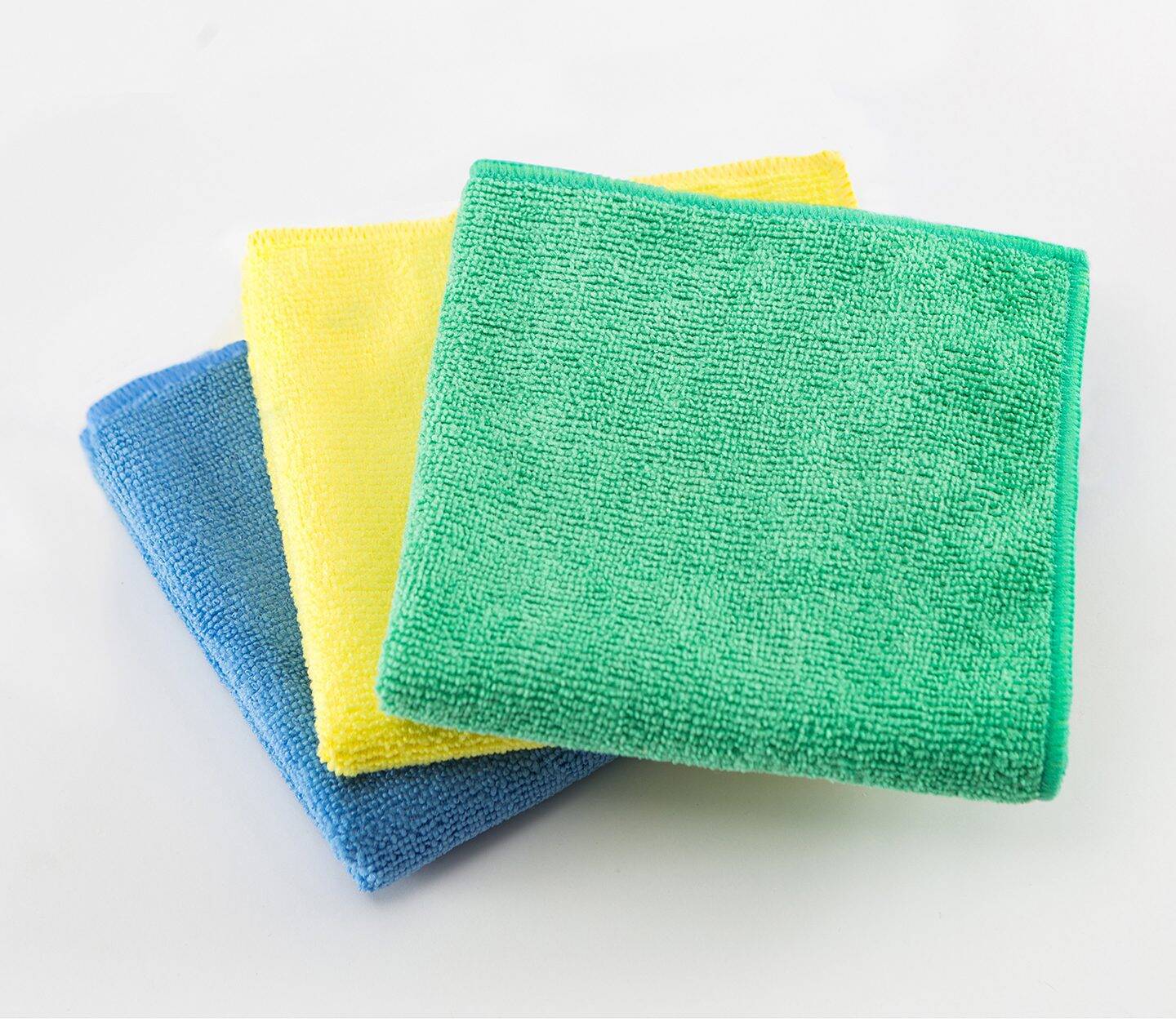
The Rise of Microfiber: How This Versatile Fabric is Transforming Home Textiles
The rise of microfiber has revolutionized the world of home textiles, bringing a blend of functionality and comfort that was previously unmatched. Originally developed in the mid-20th century, microfiber is composed of extremely fine synthetic fibers, typically made from polyester and polyamide, which make it incredibly soft and durable. Its unique structure allows it to be highly absorbent, stain-resistant, and quick-drying, making it an ideal choice for a variety of household items. From bedding to curtains and even upholstery, the versatility of this fabric means it can adapt to nearly any décor style while providing practical benefits.
One of the significant advantages of microfiber over traditional textiles is its ease of care. Most microfiber products can be machine washed and dried without losing their shape or softness, making maintenance a breeze for busy households. Additionally, its properties are not only limited to aesthetic appeal; microfiber also contributes to a healthier home environment by trapping dust, allergens, and other particles, which can be crucial for those with allergies or respiratory issues. As awareness of sustainable living practices grows, the demand for microfiber textiles is expected to increase, solidifying its role as a transformative element in modern interior design.
Counter-Strike is a highly popular first-person shooter game that emphasizes teamwork and strategy. Players can choose to play as terrorists or counter-terrorists, with each side having unique objectives. The game has spawned numerous versions and updates, enhancing gameplay and graphics, and it remains a staple in the esports community. For gamers looking to keep their gear in top condition, check out the Top 10 apple vision pro cleaning kits to ensure optimal performance.
Cleaning Made Easy: The Benefits of Microfiber for Your Home
Keeping your home clean can often feel like a daunting task, but microfiber cloths are here to revolutionize your cleaning routine. Unlike traditional cleaning materials, microfiber is designed to trap dust, dirt, and bacteria effectively. Its unique structure, made of tiny fibers that are finer than human hair, allows it to pick up particles without the need for harsh chemicals, making it an eco-friendly choice. With microfiber, you can achieve a higher level of cleanliness in less time, which is essential for busy households.
Another significant benefit of using microfiber products in your home is their durability and cost-effectiveness. High-quality microfiber cloths can withstand hundreds of wash cycles, making them a sustainable option for your cleaning arsenal. Additionally, they require less water and cleaning solution, which not only saves you money but also reduces your environmental impact. Transitioning to microfiber is not just a cleaning choice; it's a lifestyle change that promotes a healthier home.
Is Microfiber the Future of Sustainable Home Goods?
As the demand for sustainable home goods continues to rise, microfiber emerges as a potential game-changer in this arena. This synthetic fabric, known for its ultra-fine fibers, offers several advantages over traditional materials. Not only is it lightweight and durable, but it also exhibits remarkable cleaning capabilities, making it ideal for a variety of household products, from cleaning cloths to bedding. Furthermore, its cost-effectiveness makes it accessible to a wider audience, promoting the idea that sustainable living does not have to come at a premium.
However, the sustainability of microfiber is under scrutiny, particularly regarding its production and environmental impact. While it can be produced from recycled materials, the potential for microfiber pollution in oceans and waterways raises concerns. To truly consider microfiber a sustainable option, manufacturers must adopt responsible practices and improve recycling solutions. As consumers become more aware and demanding of eco-friendly products, the future of microfiber in home goods depends on the industry’s ability to address these challenges while maintaining its appeal as a practical choice for everyday use.