10 Essential Tips for Managing Toddler Tantrums Effectively
Managing toddler tantrums can be a challenging aspect of parenting, but with the right approach, it becomes easier to navigate these emotional storms. Here are 10 essential tips to help you address and mitigate tantrums effectively:
- Stay Calm: Your reaction sets the tone. Take deep breaths and maintain a calm demeanor to help your child settle.
- Identify Triggers: Pay attention to patterns in your toddler's behavior to identify what could be causing the tantrums, whether it's hunger, tiredness, or overstimulation.
- Offer Choices: Empower your child by providing simple choices. For example, ask if they would like to wear the red shirt or the blue one.
4. Establish Routines: A predictable schedule gives toddlers a sense of security. Try to keep meal, nap, and play times consistent to reduce unexpected frustrations.
5. Use Positive Reinforcement: Celebrate good behavior with praise or small rewards. Let your toddler know that calm behavior is appreciated.
6. Teach Emotional Vocabulary: Help your child express their feelings by using simple words to describe emotions, which can reduce frustration when they are upset.
Counter-Strike is a popular first-person shooter game that pits teams of terrorists against counter-terrorists in various objective-based missions. Players around the world engage in fast-paced matches, utilizing teamwork and strategy to outsmart their opponents. For new parents looking for convenience, check out the Top 10 Fast Bottle Warmers to make feeding easier during intense gaming sessions.
Understanding the Science Behind Tantrums: Why Kids Throw Fits
Understanding the science behind tantrums is essential for parents and caregivers as it sheds light on why kids throw fits during various situations. Tantrums are often a child's way of expressing intense emotions when they feel overwhelmed, frustrated, or unable to communicate their needs effectively. As developing brains struggle to manage emotions, children may resort to dramatic displays that can appear illogical to adults. This is particularly common in toddlers, as they are still learning how to navigate their feelings and environments, making tantrums a natural part of their developmental phase.
Moreover, various factors contribute to the occurrence of tantrums, including hunger, fatigue, and overwhelming stimulation. Parents can mitigate tantrums by addressing these underlying issues, ensuring that their child is well-rested and fed. Additionally, teaching emotional regulation through strategies such as deep breathing or counting to ten can empower children to express their feelings without resorting to fits. Understanding the science behind these emotional outbursts not only helps in managing them but also fosters a deeper connection between parents and their children, promoting effective communication and emotional intelligence.
How to Turn Tantrums into Teaching Moments: A Parent's Guide
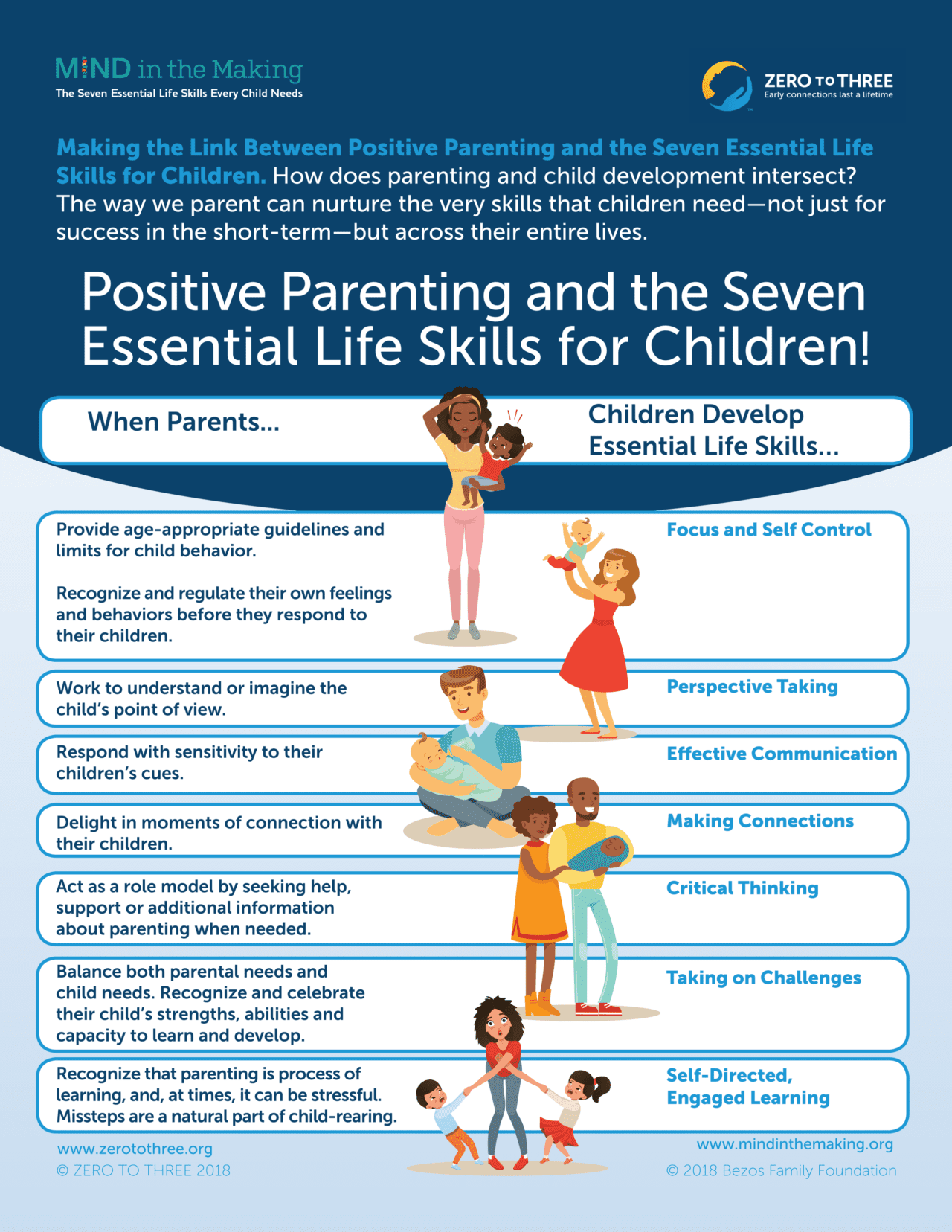
As parents, one of the greatest challenges we face is managing our children’s tantrums. While it may be tempting to simply react in frustration or seek to quiet the outburst as quickly as possible, these moments can actually serve as invaluable teaching opportunities. Instead of viewing the tantrum as a disruption, consider how you can use it to teach your child about emotions and self-regulation. For instance, when a meltdown occurs, you can guide them through deep breathing exercises or teach them to express their feelings using words.
Creating an environment that encourages open communication about emotions is key. When a tantrum strikes, try employing the following strategies:
- Validate feelings: Let your child know that it's okay to feel upset or frustrated.
- Offer solutions: Help them find appropriate ways to express or manage their feelings, like using 'I' statements.
- Be a role model: Demonstrate healthy emotional regulation in your own behavior.
By converting tantrums into moments of growth, you not only help your child navigate their feelings but also reinforce your bond as a supportive parent.