How Smart Technology is Transforming Our Daily Lives: Are We Losing Control?
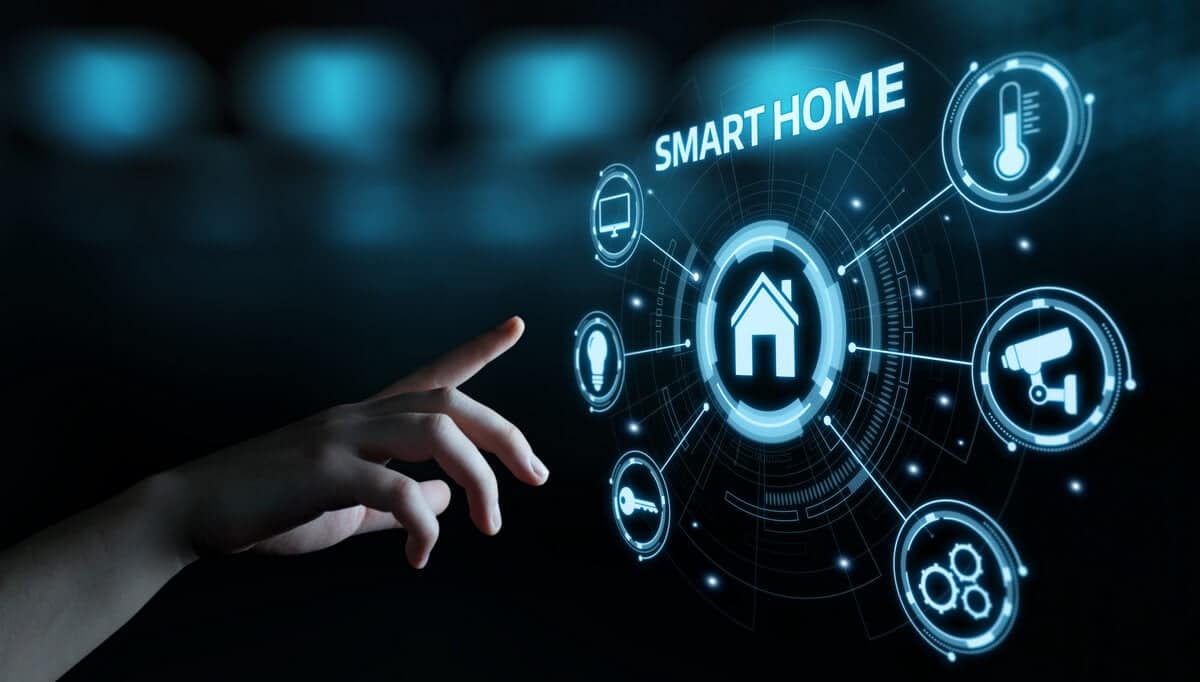
In recent years, smart technology has seamlessly integrated itself into our daily routines, revolutionizing how we manage our homes, communicate with loved ones, and even stay healthy. From smart home devices that automate tasks like lighting and temperature control, to wearable technology that monitors our physical activities, the convenience offered by these innovations is undeniable. With the touch of a button or a simple voice command, we can access information, streamline our chores, and maintain a level of comfort that was once unimaginable. However, as we become increasingly reliant on these devices, privacy concerns and the risk of losing control over our personal data loom ever larger.
Moreover, the evolution of smart technology raises critical questions about our autonomy. Are we inadvertently surrendering our decision-making capabilities to algorithms and artificial intelligence? While these technologies often aim to enhance our lives by providing convenience and efficiency, they can also lead to a sense of disempowerment. For instance, in situations where we depend on smart assistants for recommendations or automated systems for crucial tasks, we may find ourselves less engaged in the decision-making process. As we embrace these advancements, it is vital to maintain a balance, ensuring that while we enjoy the benefits of smart technology, we do not relinquish our control over our lives.
Counter-Strike is a highly popular first-person shooter game that has captured the attention of gamers worldwide. Players join either the terrorist or counter-terrorist team, engaging in tactical warfare and strategy to achieve their objectives. For those interested in staying organized and having peace of mind while gaming, consider checking out the Top 10 Slim Wallet Trackers to keep your valuables secure.
The Rise of AI: Is Smart Technology Really Outpacing Human Intelligence?
The advent of artificial intelligence has sparked debates about whether smart technology is truly outpacing human intelligence. As AI systems become more sophisticated, capable of processing vast amounts of data and learning from patterns with unprecedented speed, many fear that we might be approaching a tipping point. For instance, technologies like machine learning and natural language processing enable computers to perform tasks that traditionally required human cognition, such as diagnosing diseases or generating content. According to various studies, AI is estimated to outperform humans in specific tasks, raising questions about the future of work and the relevance of human intelligence in an increasingly automated world.
However, it is crucial to consider that while AI excels in processing information and identifying trends, it lacks the holistic reasoning and emotional intelligence innate to humans. Human intelligence encompasses creativity, empathy, and ethical judgment—areas where machines still fall short. Furthermore, as AI technologies continue to evolve, they remain tools that depend on human oversight and guidance. The collaboration between humans and AI could lead to novel innovations and solutions that augment rather than replace our cognitive abilities. Thus, rather than viewing AI as a replacement, it might be more beneficial to see it as a partner in tackling complex challenges that require both human insight and machine efficiency.
Have We Become Too Dependent on Smart Devices? A Critical Look at Modern Convenience
In today's fast-paced world, the convenience offered by smart devices has become an integral part of our daily lives. From smartphones to smart homes, these technologies provide us with ease and efficiency that were once unimaginable. However, the question arises: have we become too dependent on smart devices? This dependency may lead to a decline in our ability to perform basic tasks without digital assistance. For instance, many individuals now struggle with simple calculations or remembering appointments without their devices. This growing reliance raises important concerns about our cognitive abilities and social interactions.
Moreover, the impact of our dependence on technology extends beyond individual capabilities; it affects our overall well-being and societal dynamics. Smart devices often distract us from meaningful face-to-face interactions, leading to a rise in feelings of isolation and anxiety. A recent study found that over 50% of respondents felt more connected to their devices than to the people around them. As we continue to embrace modern convenience, it is vital to reflect on and reassess our relationship with technology to ensure it enhances rather than detracts from our quality of life.