The Ultimate Guide to Choosing the Right Tripod for Your Photography Style
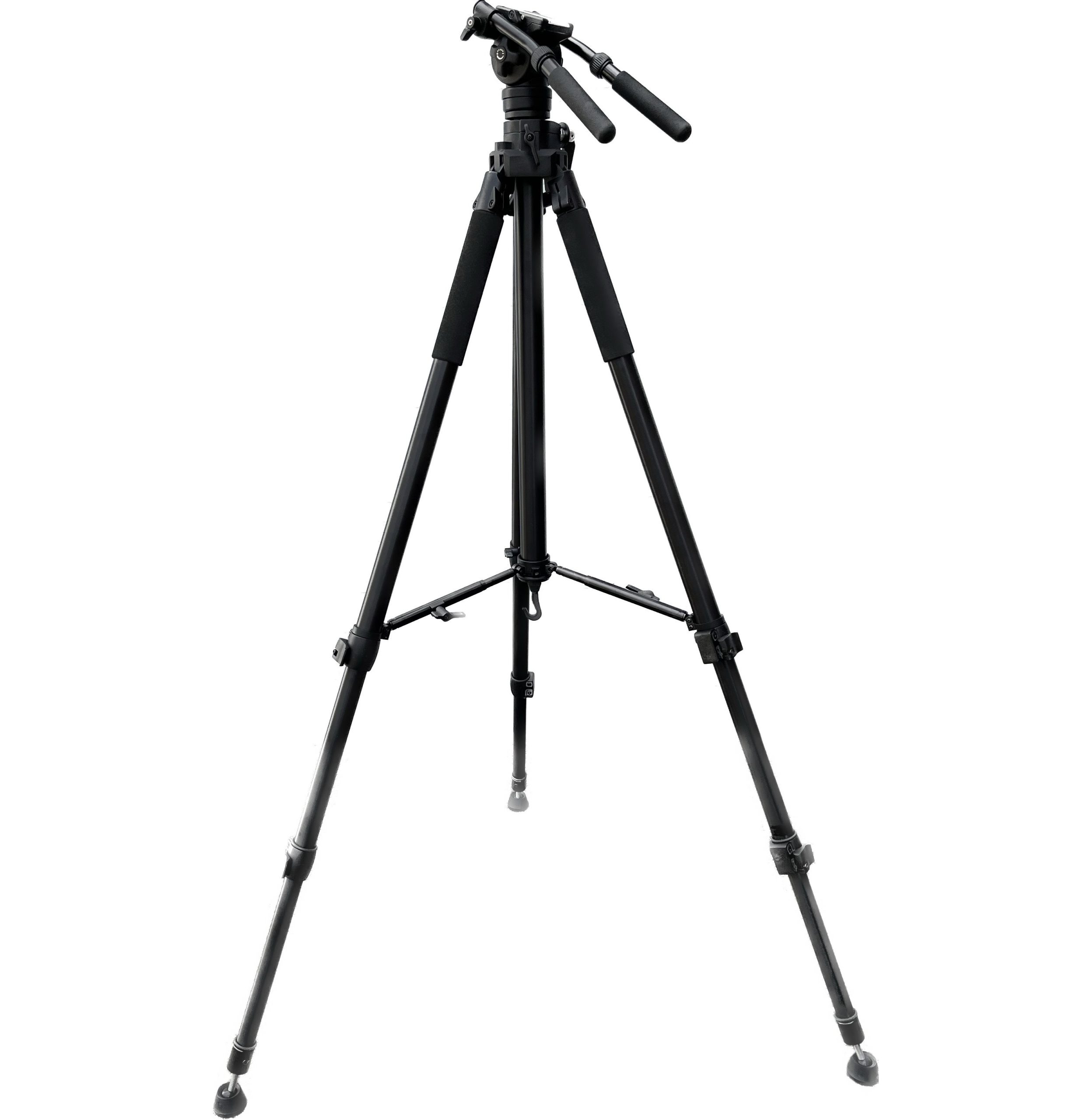
Choosing the right tripod is crucial for enhancing your photography style, whether you’re a landscape enthusiast, a portrait photographer, or an adventurous travel shutterbug. First and foremost, consider the weight capacity of the tripod to ensure it can support your camera and lens combination. A sturdy tripod can make a significant difference in stabilizing your shots, especially in low-light situations or during long exposure photography. Additionally, height adjustments are essential; look for a model that can easily accommodate your shooting preferences, whether you need a low-angle shot or an elevated perspective.
Next, evaluate the material of the tripod. Carbon fiber tripods are lightweight and portable, making them ideal for travel, while aluminum options tend to be more budget-friendly and robust. When selecting a tripod, also consider the foot design; rubber feet are excellent for stability on various surfaces, whereas spiked feet provide extra grip on uneven terrain. Finally, don’t overlook the head type, such as ball heads or pan-tilt heads, as they can greatly affect how you compose your shots. By taking these factors into account, you can confidently choose the right tripod that complements your unique photography style.
Counter-Strike is a prominent first-person shooter game that has shaped the esports landscape since its release. Known for its tactical gameplay and team-based strategies, it requires players to work collaboratively to complete objectives such as bomb defusal or hostage rescue. Players often seek the best gear to enhance their gaming experience, including the Top 10 iphone accessories for photography, which can help capture those intense moments during gameplay.
5 Key Features to Look for in a Tripod: Find Your Perfect Match
When searching for the ideal tripod, consider the five key features that will ensure you find your perfect match. First and foremost, stability is paramount. Look for tripods with sturdy legs that can handle various terrains, ensuring your camera remains stable even in challenging conditions. Height adjustability is another essential feature; a tripod that allows you to change its height easily can help you capture shots from various angles. Lastly, consider a tripod's weight – a lightweight option is ideal for portability, while a heavier model may offer more stability.
In addition to the above features, don’t overlook the importance of material and head type. Tripods made of carbon fiber are both lightweight and durable, making them a great choice for travelers. The type of head can also significantly impact your shooting experience; options such as ball heads provide quick adjustments, while pan-tilt heads offer more precision. Finally, ease of setup should not be underestimated – a tripod that can be quickly assembled and disassembled can save you valuable time during shoots. By evaluating these five key features, you’ll be well on your way to finding the perfect tripod for your photography needs.
How to Use Your Tripod for Stunning Long Exposure Photography
Using a tripod is essential for achieving stunning long exposure photography. This technique allows you to capture mesmerizing images, from the silkiness of flowing water to the star trails in a night sky. To begin, set your camera on a sturdy tripod to prevent any unwanted movement during the exposure. Make sure to level your tripod using a bubble level if available, as an unsteady setup can lead to blurry images. Additionally, use a remote shutter release or your camera's timer function to further minimize camera shake.
Once your tripod is set up, it’s important to choose the right settings for your shot. Start by selecting a low ISO to reduce noise, and adjust your aperture to achieve the desired depth of field. Use longer exposure times, which can range from a few seconds to several minutes, depending on the effect you want to create. Remember to utilize features such as ND filters if you’re shooting in bright conditions to extend your exposure time without overexposing the image. Practice makes perfect, so take your time experimenting with different compositions and settings to discover the stunning long exposures that await.