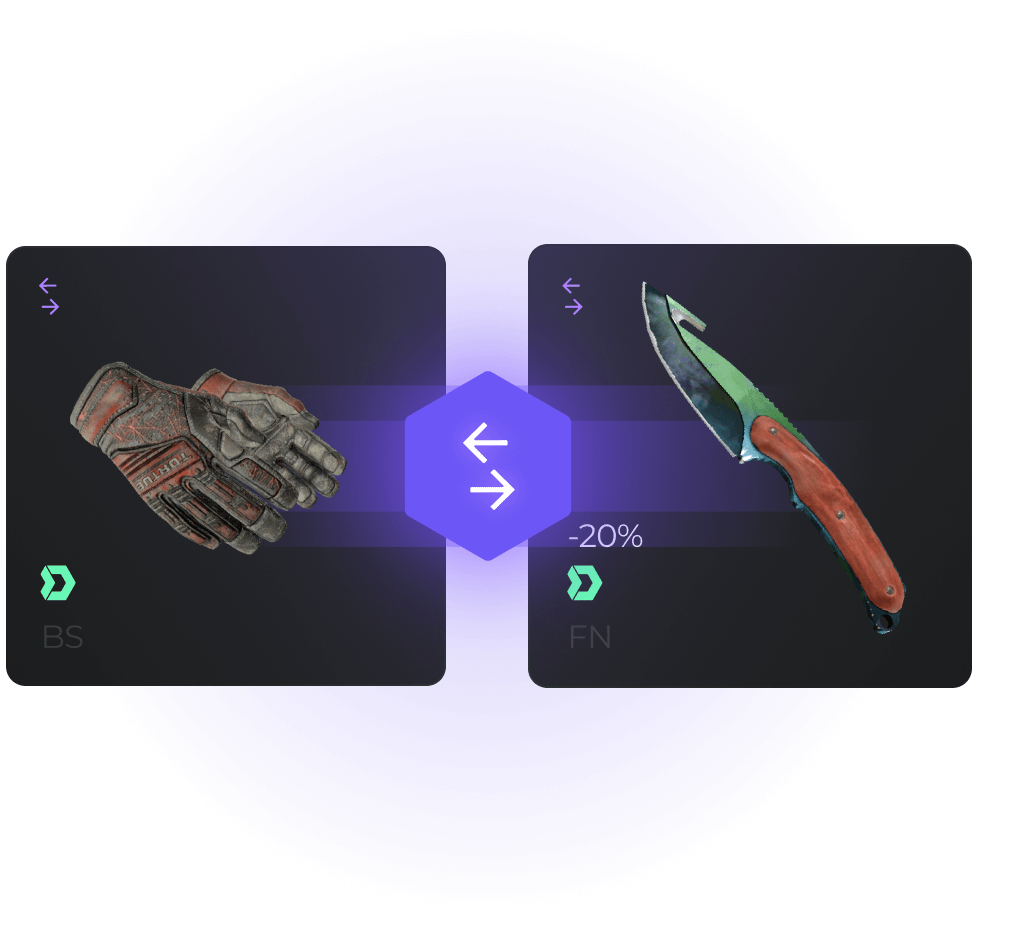
Top 5 Common Skin Trading Mistakes to Avoid in CS2
In the ever-evolving landscape of CS2 skin trading, many players often fall victim to common mistakes that can hinder their success. The first major error is overvaluing skins. Players tend to believe that their rare skins are worth more than the market dictates, leading to missed opportunities and unprofitable trades. Additionally, rushing into a trade without proper research can be detrimental. Always consider checking the current market trends and prices before finalizing any deals. Utilizing analytical tools can also provide a better understanding of the fair value of your skins.
Another common mistake is neglecting to diversify one's skin collection. Many traders focus solely on one type or value of skins, which can result in significant losses if that market crashes. Instead, aim for a balanced collection that includes various skins across different price ranges. Lastly, it's crucial to avoid emotional trading. Making decisions based on impulse rather than careful analysis can lead to regrettable trades. Always approach trading with a clear strategy and maintain a level head to avoid these pitfalls. By being aware of these common mistakes, you can improve your trading skills and achieve better outcomes in CS2 skin trading.
Counter-Strike is a highly popular first-person shooter game series that pits teams of terrorists against counter-terrorists in a strategic battle. Players often seek to enhance their gaming experience, and understanding how to reverse trade cs2 can be a valuable skill for trading in-game items.
How to Evaluate Skin Value: A Guide for CS2 Traders
Evaluating skin value in Counter-Strike 2 (CS2) requires a combination of market knowledge and an understanding of rarity. First, you should identify the skin's float value, which indicates its wear condition. The float value ranges from 0 to 1, with lower values signifying better conditions like Factory New or Minimal Wear. Additionally, familiarize yourself with the skin's popularity, as more sought-after skins command higher prices in the market. Use platforms like Steam Community Market or third-party sites to track price trends and demand.
Next, consider the skins' rarity and design aesthetics. Rarity is classified into tiers, from Consumer Grade to Covert, with more rare skins generally valued higher. Designs that resonate with players or are tied to popular game events can also significantly boost value. To make informed trading decisions, it's wise to regularly check community forums and follow market analyses that offer insights into trading patterns. By combining these factors, you can effectively evaluate and identify valuable skins in CS2.
Is Your Trade Fair? Understanding Market Trends in CS2
Understanding the intricacies of market trends in CS2 is essential for any trader looking to navigate the complexities of the gaming economy. As a dynamic environment, the trading landscape is constantly shifting, influenced by factors such as player demand, game updates, and the overall market sentiment. By keeping a keen eye on these changes, traders can position themselves advantageously, making informed decisions that could lead to profitable trades. For instance, tracking recent patch notes and player feedback can help predict which items are likely to gain or lose value, allowing traders to adjust their strategies accordingly.
Moreover, utilizing analytical tools and platforms to gauge the performance of specific items can significantly enhance your trading strategy. Websites that provide real-time data, price history charts, and community insights can empower traders to pick up on emerging trends before they become mainstream. The connection between CS2 meta shifts and item popularity often creates opportunities for strategic buying and selling. In essence, staying informed and adaptable is key to ensuring that your trading approach is not only competitive but also aligned with current market trends.