Understanding On-Chain Transaction Analysis: A Beginner's Guide
Understanding On-Chain Transaction Analysis is crucial for anyone venturing into the world of blockchain technology. At its core, on-chain transaction analysis involves examining all recorded transactions on a blockchain to assess network activity, trace the flow of assets, and identify patterns. This method not only helps in enhancing security by detecting suspicious transactions but also aids investors and businesses in making informed decisions. For beginners, key concepts in this analysis include transaction traces, wallet addresses, and block explorers, which serve as essential tools for navigating the blockchain landscape.
To get started with on-chain transaction analysis, it's important to familiarize yourself with a few important steps:
- Choose a Block Explorer: Utilize tools like Etherscan for Ethereum or Blockchain.com for Bitcoin to visualize transaction data.
- Analyze Transaction Histories: Look for transaction patterns, amounts, and timestamps to understand trends.
- Understand Wallet Interactions: Investigate how different wallets interact and their role in the broader network.
Counter-Strike is a popular first-person shooter game that has been a staple in the esports community for many years. Players engage in intense competitive matches, often requiring teamwork and strategic thinking. For those looking to enhance their gaming experience, using a bc.game promo code can provide exciting bonuses and perks.
How to Read Blockchain Transactions: Insights and Tools
Understanding how to read blockchain transactions is essential for anyone interested in cryptocurrency or the underlying technology. Each transaction on a blockchain is recorded in a public ledger that includes various components such as the sender's and receiver's wallet addresses, the amount being transferred, and a unique transaction ID. To effectively navigate this data, users can utilize blockchain explorers, tools that allow you to search for specific transactions, addresses, or blocks. These tools provide an intuitive interface, which simplifies the process of analyzing transaction history and validation.
To dive deeper into blockchain transactions, it is beneficial to familiarize yourself with key terms and concepts. Here are a few critical elements you should understand:
- Transaction Hash: A unique identifier for every transaction.
- Block Number: Indicates the block in which the transaction is included.
- Timestamp: The exact time at which the transaction was processed.
By grasping these fundamentals and leveraging the right tools, you can gain valuable insights into blockchain activity and enhance your understanding of how cryptocurrencies operate.
What Can On-Chain Data Tell Us About Market Trends?
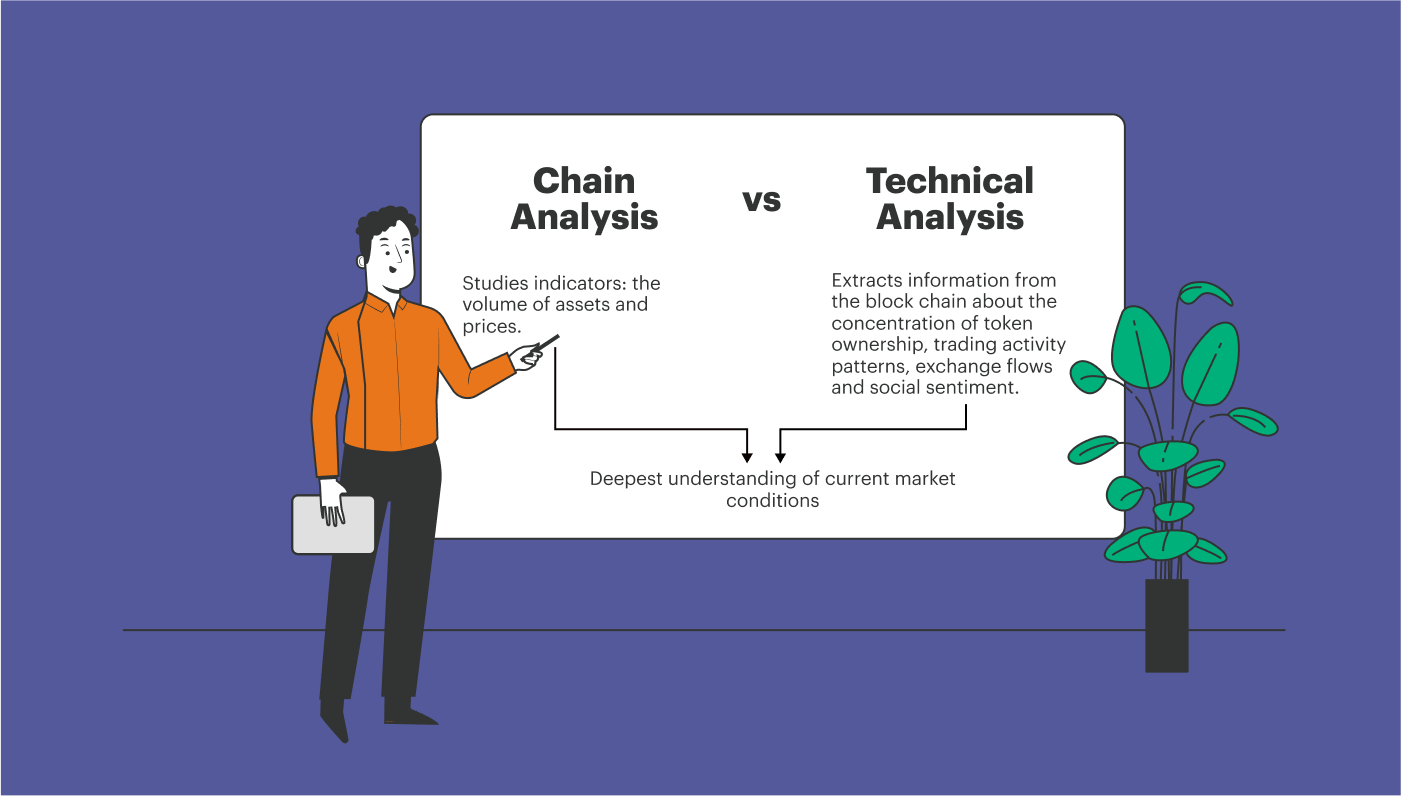
On-chain data refers to the information that exists on the blockchain, providing a wealth of insights into market trends. By analyzing this data, investors and analysts can understand various metrics such as transaction volume, user activity, and network health. These indicators are essential for evaluating the supply and demand dynamics within a specific cryptocurrency or digital asset. For instance, an increase in transaction volume typically suggests rising interest, which may correlate with future price appreciation. Furthermore, on-chain analytics can reveal whether particular wallets are accumulating assets or distributing them, offering clues about potential market movements.
Moreover, on-chain data can help identify sentiment shifts in the market. By observing the behavior of large holders, often referred to as 'whales', and the trends in hodling versus swing trading, analysts can gauge the overall confidence in a cryptocurrency. Metrics such as mempool size and average confirmation times also serve as critical indicators of market health and demand pressures. As more traders turn to on-chain data for their decision-making processes, it becomes increasingly pivotal in shaping insights that drive investment strategies.