Understanding Game Character Behaviors Through Real-Time Telemetry
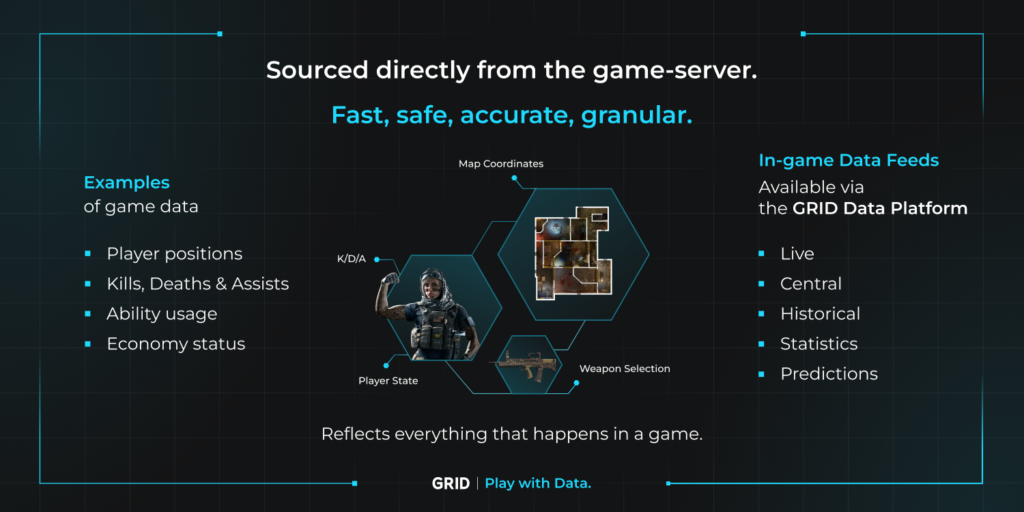
Understanding game character behaviors is crucial for developers aiming to enhance player experience and engagement. By harnessing real-time telemetry, game designers can collect valuable data on how players interact with characters and environments. This data can reveal patterns in behavior, such as the most common paths taken by players or their responses to specific in-game challenges. By analyzing this information, developers can fine-tune character traits and behaviors, ensuring they resonate more effectively with players, thereby increasing immersion and satisfaction.
Real-time telemetry not only provides insights into character actions but also allows for adaptive gameplay. For example, if telemetry indicates that players are struggling with a certain character's abilities, developers can make adjustments to enhance those abilities or provide additional guidance. This iterative process is essential for creating a dynamic and responsive gaming environment. Additionally, incorporating player feedback gathered through telemetry can lead to continuous improvement in character design, making understanding these behaviors not just beneficial but imperative for modern game development.
Counter-Strike is a popular first-person shooter game that pits teams of terrorists against counter-terrorists in various game modes. Players can engage in intense matches where strategy and teamwork are crucial to victory. With its competitive scene, many gamers seek ways to enhance their gaming experience, and you might want to check out the duel promo code for some exciting offers.
Unlocking the Secrets: What Your Game Characters Are Communicating in Real Time
Understanding the subtle nuances of game characters can significantly enhance your gaming experience. In real time, these characters communicate a variety of emotions and messages through their facial expressions, body language, and dialogue. Players often miss out on these signals, which can lead to misunderstandings of the plot and character motivations. For instance, when a character frowns or tightens their posture, it might indicate fear or aggression, revealing deeper layers of the story. Paying attention to these cues can lead to a more immersive gaming experience.
To unlock these hidden communications, players should focus on three key elements: context, emotion, and interaction.
- Context: Understand the background and circumstances that shape a character's response.
- Emotion: Identify the emotional undertones behind a character's dialogue and actions.
- Interaction: Observe how characters respond to each other, as these exchanges can reveal alliances, conflicts, or budding friendships.
How Real-Time Gaming Telemetry Can Enhance Player Experience and Storytelling
In the dynamic world of gaming, real-time gaming telemetry offers developers an unprecedented opportunity to enhance player experience. By capturing and analyzing data on player behavior, preferences, and interactions in real-time, developers can tailor the gameplay to individual styles. This personalized approach enables dynamic difficulty adjustments, ensuring that each player faces challenges that match their skill level, thus preventing frustration and promoting engagement. Moreover, real-time telemetry can facilitate immediate feedback, allowing players to refine their strategies and decisions, ultimately leading to a more immersive and satisfying gaming experience.
Furthermore, real-time gaming telemetry plays a crucial role in storytelling within games. By understanding how players navigate narratives and interact with characters through data analysis, developers can create adaptive storylines that respond to player choices and actions. For example, if telemetry indicates that players consistently opt for a specific character or branch of a storyline, developers can enhance those elements for future gameplay. This responsiveness not only enriches the narrative but also fosters a deeper connection between players and the game world, as they feel their decisions genuinely shape the unfolding tale.