Top 10 Skins That Transformed the Steam Marketplace
The Steam Marketplace has revolutionized the way players trade and value in-game assets, particularly through the rise of various skins in popular games like Counter-Strike: Global Offensive and Dota 2. Among the myriad of skins that have emerged, some have not only captivated players but also transformed the marketplace dynamics. Here, we explore the top 10 skins that have left an indelible mark on the Steam Marketplace, influencing pricing trends and player engagement.
- Awp | Dragon Lore - This iconic skin is often regarded as the crown jewel of CS: GO skins, with prices soaring into the thousands.
- Ak-47 | Fire Serpent - A beautiful design that has remained a staple in the trade community.
- M4A4 | Howl - This skin's controversial history combined with its striking artwork makes it a hot commodity.
- Minotaur's Aegis - A symbol of prestige in Dota 2, this skin has shaped the competitive scene.
- Karambit | Fade - The knife market boomed thanks to the allure of the Karambit skins.
- Bayonet | Slaughter - Its unique design has captured the hearts of many traders.
- StatTrak™ M4A1-S | Knight - A popular skin that drives up the prices in the trading community.
- Butterfly Knife | Crimson Web - A favorite among collectors, it showcases the beauty of rarity.
- Dota 2 Immortal Treasure Skins - These exclusive skins often dictate market trends.
- Glock-18 | Fade - This skin has continued to rise in demand due to its aesthetic appeal.
Counter-Strike is a popular tactical first-person shooter game that has gained a massive following since its release. Players can engage in intense multiplayer matches, utilizing tactics and teamwork to outsmart their opponents. For players looking to enhance their gaming experience, using a daddyskins promo code can provide exciting in-game items and skins.
The Ultimate Guide to Buying and Selling Skins on Steam Marketplace
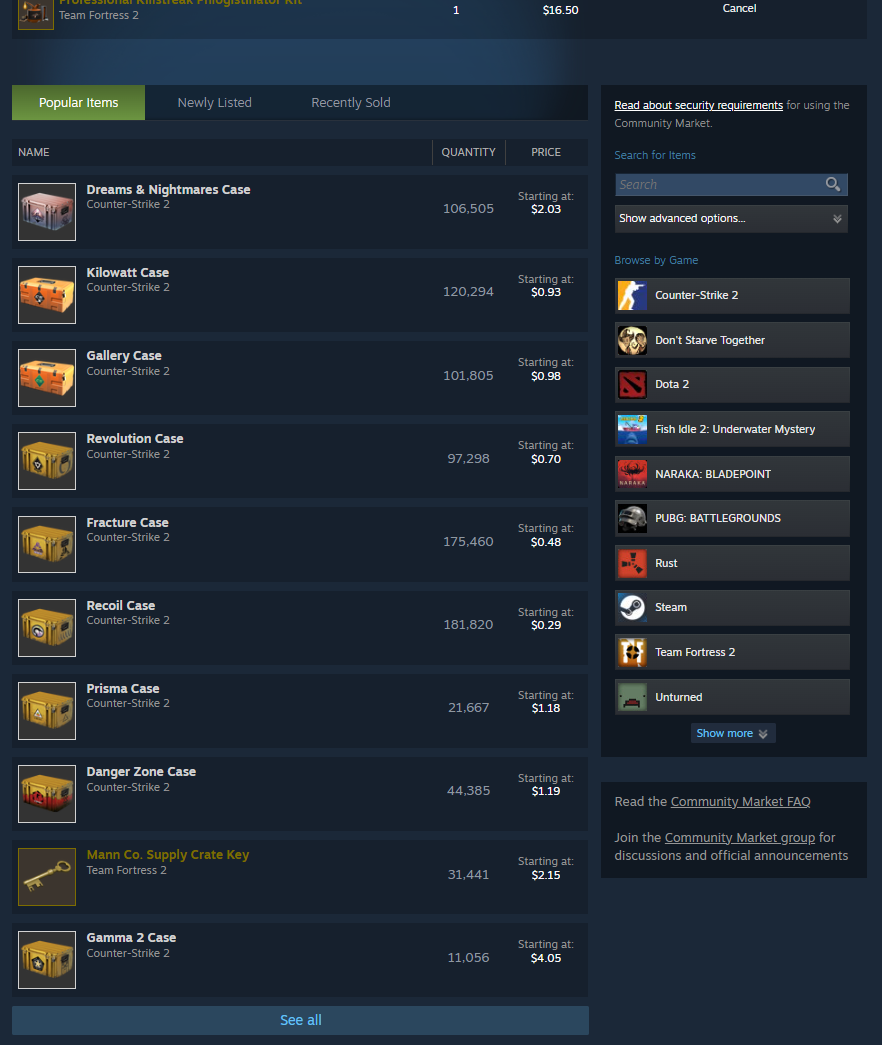
Buying and selling skins on the Steam Marketplace can be an exciting venture for gamers looking to enhance their gaming experience and make some profit. To get started, understanding the marketplace is crucial. You'll want to familiarize yourself with the various types of skins available, including those for popular games like CS:GO, Dota 2, and Team Fortress 2. The prices of these skins can fluctuate frequently based on demand and rarity. Therefore, it’s essential to research current market trends and make informed decisions. You can utilize third-party websites to track skin prices and depth market analysis, ensuring that you get the most value for your purchase.
When it comes to selling your skins, you'll want to ensure you are maximizing your returns. Start by listing your skins at competitive prices that reflect their market value. Be aware of Steam's transaction fees, which can affect your overall profit. Additionally, timing matters: selling during peak gaming seasons or when a new update launches can significantly increase visibility and demand for your skins. Engaging with the community on forums or dedicated trading platforms can also provide insights into the best times to sell and potential buyers. By following these steps, you can successfully navigate the Steam Marketplace, making smart buys and profitable sales.
How Do Skins Impact Gameplay Experience in Virtual Combat?
In the rapidly evolving world of virtual combat, skins have become more than just aesthetic enhancements; they significantly influence the overall gameplay experience. Players often express their identity and style through these unique skins, fostering a sense of personalization within the game environment. Skins can impact a player's confidence and motivation; for instance, equipping a rare or visually appealing skin can make players feel more skilled and engaged. Moreover, each skin contributes to the atmosphere of the game, immersing players in their virtual surroundings and enhancing the emotional stakes of combat.
Beyond personal expression, skins can affect gameplay dynamics in more subtle ways. Some skins may incorporate visual elements that help players react more quickly to in-game events, while others can unintentionally offer tactical advantages or disadvantages—certain colors may allow for better camouflage in specific environments. This interaction between skins and gameplay highlights the importance of understanding how these cosmetic choices go beyond mere decoration, shaping both player behavior and strategic approaches in competitive settings.