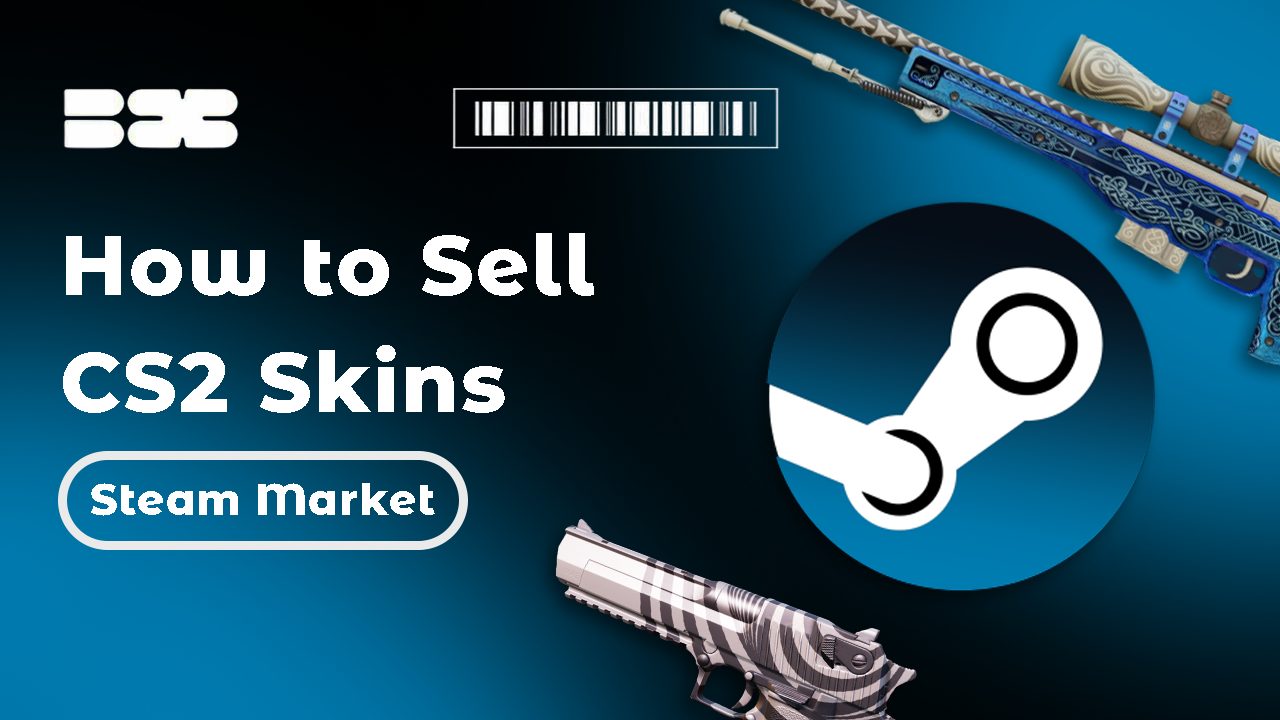
Maximize Your Profits: Tips for Buying and Selling Skins on the Steam Marketplace
Maximizing your profits in the Steam Marketplace revolves around strategic buying and selling of skins. First, keep an eye on market trends and fluctuations in skin prices. This could mean doing some research to identify when specific skins are gaining popularity or when they are at a low point in their pricing cycle. A good approach is to use tools like price trackers to monitor the skins you are interested in and make purchases when the price dips. Additionally, consider buying limited edition skins when they’re released, as these often appreciate in value as time goes on.
When it comes to selling skins, timing is everything. Listing your skins for sale during peak gaming hours or events can significantly increase your visibility and chances of making a sale. Utilize social media platforms and gaming communities to market your listings, as word-of-mouth can amplify your efforts. Lastly, ensure that your skins are priced competitively by researching comparable listings. An attractive, fair price can make the difference between a quick sale and languishing assets. Implement these tips to effectively navigate the Steam Marketplace and maximize your profits.
Counter-Strike is a highly competitive first-person shooter that pits teams against each other in various objective-based game modes. Players can utilize unique weapons and equipment to gain an advantage over their opponents. For players looking to enhance their in-game experience, using a daddyskins promo code can provide access to exclusive skins and bonuses.
Understanding Steam Marketplace Fees: What You Need to Know
Understanding the Steam Marketplace fees is crucial for anyone looking to buy or sell items within the platform. When you make a transaction, a percentage is deducted from the sale, which can affect your overall profit if you're selling items. Specifically, Steam takes a 5% transaction fee on each sale, along with an additional fee based on the item's base price. For example, if you sell a game skin for $10, you would receive approximately $9.50 after fees. This means it's essential to factor in these costs when pricing your items to ensure you still achieve your desired profit margin.
Additionally, it's important to note that the Steam Marketplace has a process for transferring your funds to your Steam wallet. Once you sell an item, the proceeds enter your wallet but cannot be withdrawn immediately. Funds are subject to a holding period that can last up to 15 days before you're able to use them for purchasing games or items. This limitation can influence your cash flow, so understanding the timing and fees associated with transactions on the Steam Marketplace is key to making informed decisions about buying and selling.
How to Spot Counterfeit Skins: Protecting Your Investments on Steam
With the rise of online trading platforms, spotting counterfeit skins has become crucial for gamers looking to protect their investments on Steam. One of the first steps in identifying counterfeit skins is to closely examine the skin’s condition and pattern. Check for inconsistencies in the wear level, as authentic skins will maintain a certain level of quality and detail. Additionally, utilize websites that track market prices to compare before making a purchase. If the price seems too good to be true, it probably is!
Another vital aspect of protecting your investments is verifying the seller’s reputation. Always check reviews and ratings on the marketplace. Look for sellers with extensive trading history and positive feedback. If you notice a seller with a limited profile or negative reviews, it’s best to steer clear. Utilizing forums and community discussions can also provide insights into potential scams. By being vigilant and informed, you can significantly reduce the risk of acquiring counterfeit skins and safeguarding your Steam collection.