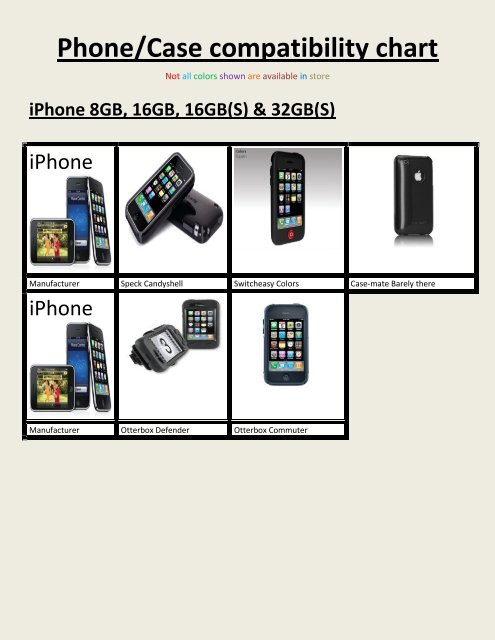
Why Are My Devices Always at Odds? Understanding Compatibility Issues
In today’s fast-paced world, it’s common to rely on a variety of devices to manage our daily tasks and entertainment. However, many users often find themselves asking, Why are my devices always at odds? Compatibility issues can arise from different operating systems, software versions, or even hardware specifications. For example, a smartphone could struggle to connect with a smart home device due to inconsistent firmware updates. Recognizing these incompatibilities is the first step in troubleshooting the conflicts and ensuring a smoother user experience across all devices.
To mitigate compatibility problems, it’s essential to keep your devices and software updated. Regular updates can resolve bugs and improve interoperability between different technologies. Additionally, consider the following tips to enhance device harmony:
- Check compatibility requirements before purchasing new devices.
- Utilize universal standards like Bluetooth or Wi-Fi for connectivity.
- Read user reviews to learn about compatibility experiences with specific brands or models.
Addressing device compatibility may require a bit of effort, but it ultimately leads to a more integrated and efficient digital life.
Counter-Strike is a popular multiplayer first-person shooter game that has captivated gamers since its inception. Players engage in team-based combat, choosing to fight as terrorists or counter-terrorists in various objective-based scenarios. The game's competitive nature, combined with its emphasis on teamwork and strategy, has made it a staple in the esports community and a favorite among FPS enthusiasts. If you're looking to enhance your gaming setup, consider checking out the Top 10 Long Charging Cables for uninterrupted play sessions.
Top 5 Reasons Your Gadgets Just Won't Get Along
In today's tech-savvy world, it's common to have multiple gadgets working together to enhance our daily lives. However, there are times when these devices just won't play nice. One significant reason is incompatibility between operating systems. Gadgets from different manufacturers may rely on distinct protocols for communication, leading to frustrating connectivity issues. For instance, a smart Bluetooth speaker might struggle to connect with a smartphone that runs on an outdated operating system. To avoid this, always check whether your devices are compatible before making a purchase.
Another factor contributing to gadget friction is the issue of software updates. Many devices require the latest software to operate smoothly and interact with other gadgets. If one device is outdated and hasn’t been updated, it could hinder performance and efficiency across your entire tech ecosystem. Regularly update your gadgets to ensure they can properly communicate with each other, thus minimizing any potential headaches and maximizing functionality.
How to Resolve Common Incompatibility Problems Between Devices
In today's digital age, incompatibility problems between devices can be quite frustrating. These issues often arise due to differences in operating systems, software versions, or hardware specifications. To troubleshoot, first identify the specific problem—whether it's connectivity issues, software crashes, or hardware incompatibility. One effective approach is to update all devices and software to the latest versions, as manufacturers frequently release patches and updates that resolve common compatibility issues. Additionally, checking user forums and support resources for similar problems can provide valuable insights and solutions.
Another common issue stems from device compatibility with different networks and protocols. For instance, a device may not connect to a Wi-Fi network if it only supports 2.4 GHz, while the router operates on a 5 GHz frequency. To fix this, consider configuring your router settings or using a dual-band router that accommodates both frequencies. If you encounter software incompatibilities, utilizing third-party applications that facilitate cross-device communication can often bridge the gaps. By following these steps, you can minimize the disruptions caused by device incompatibility and maintain a seamless digital experience.