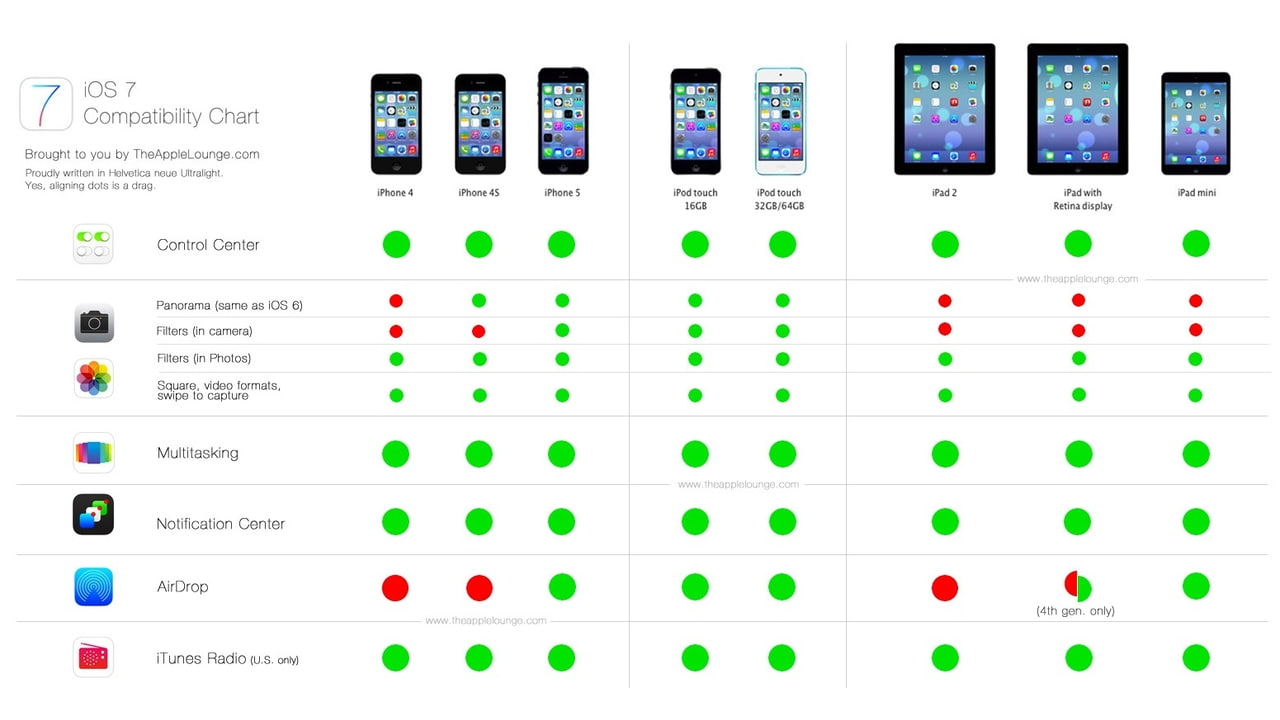
Understanding Device Compatibility: Why It Matters in Your Tech Ecosystem
In today's increasingly interconnected world, device compatibility plays a crucial role in ensuring that your tech ecosystem functions smoothly. Whether you're utilizing a range of gadgets for work or leisure, understanding how different devices communicate with one another can drastically enhance your user experience. For instance, a smartphone that seamlessly connects with your laptop, tablet, and smart home devices can streamline everything from file sharing to home automation. Conversely, neglecting compatibility can lead to frustrating experiences, such as data loss or inefficient workflows.
Why does device compatibility matter? Here are a few key reasons:
- Improved Efficiency: Compatible devices work together harmoniously, enabling faster data exchange and collaboration.
- Cost-Effectiveness: Investing in compatible devices can save you money in the long run by reducing the need for unnecessary adapters or tech support.
- Future-Proofing: Understanding compatibility ensures that your tech ecosystem adapts as new technologies emerge, keeping your setup relevant and functional.
Common Compatibility Issues and How to Avoid Them
When dealing with software applications, one of the most frequent challenges users face is compatibility issues. These problems often arise from using different operating systems, outdated software versions, or conflicting hardware components. It's essential to identify these potential conflicts early on to ensure a smooth user experience. For example, if you are running an application that is designed for Windows 10 but are using Windows 7, you might encounter performance issues or failure to run altogether. To avoid these pitfalls, always check system requirements before installation and ensure that your operating system and all drivers are up to date.
Another common source of compatibility issues arises from browser differences. Websites may perform optimally on some browsers while displaying incorrectly or not functioning at all on others. This can be particularly problematic for web developers who need to reach a broad audience. To mitigate these issues, consider using tools like cross-browser testing platforms, which allow you to see how your site behaves across different browsers. Additionally, encourage users to keep their browsers updated to the latest versions, as these updates often contain fixes for compatibility problems and enhance security.
Is Your Tech Stack Compatible? 5 Crucial Questions to Ask
In today's fast-paced digital landscape, ensuring that your technology stack is compatible is pivotal for seamless operations and growth. Before committing to new software or tools, ask yourself: Is Your Tech Stack Compatible? Consider these 5 crucial questions to guide your evaluation:
- What are the integration capabilities? Ensure that new solutions can easily connect with your existing systems. Compatibility can be assessed by looking into APIs and ecosystem support.
- How scalable is the solution? As your business grows, your tech stack should adapt accordingly. Evaluate whether the tools can scale with your needs.
- What are the security features? Incompatibility may lead to vulnerabilities. Verify that the products adhere to industry standards for security.
- What is the user experience like? A seamless user experience is essential. Assess whether the tools are intuitive and user-friendly.
- What is the level of support offered? Reliable support can be a lifesaver in times of need. Check the availability of help resources or customer service.